What is experiential marketing?
Experiential marketing is a strategy that focuses on creating engaging, memorable experiences in which audiences can interact directly with a brand and its products. Instead of relying solely on traditional advertising, experiential marketing builds real-life situations that encourage participation, exploration and emotional connection. It is widely used at trade fairs, events, roadshows and in showrooms, where visitors can experience the brand in a physical environment.
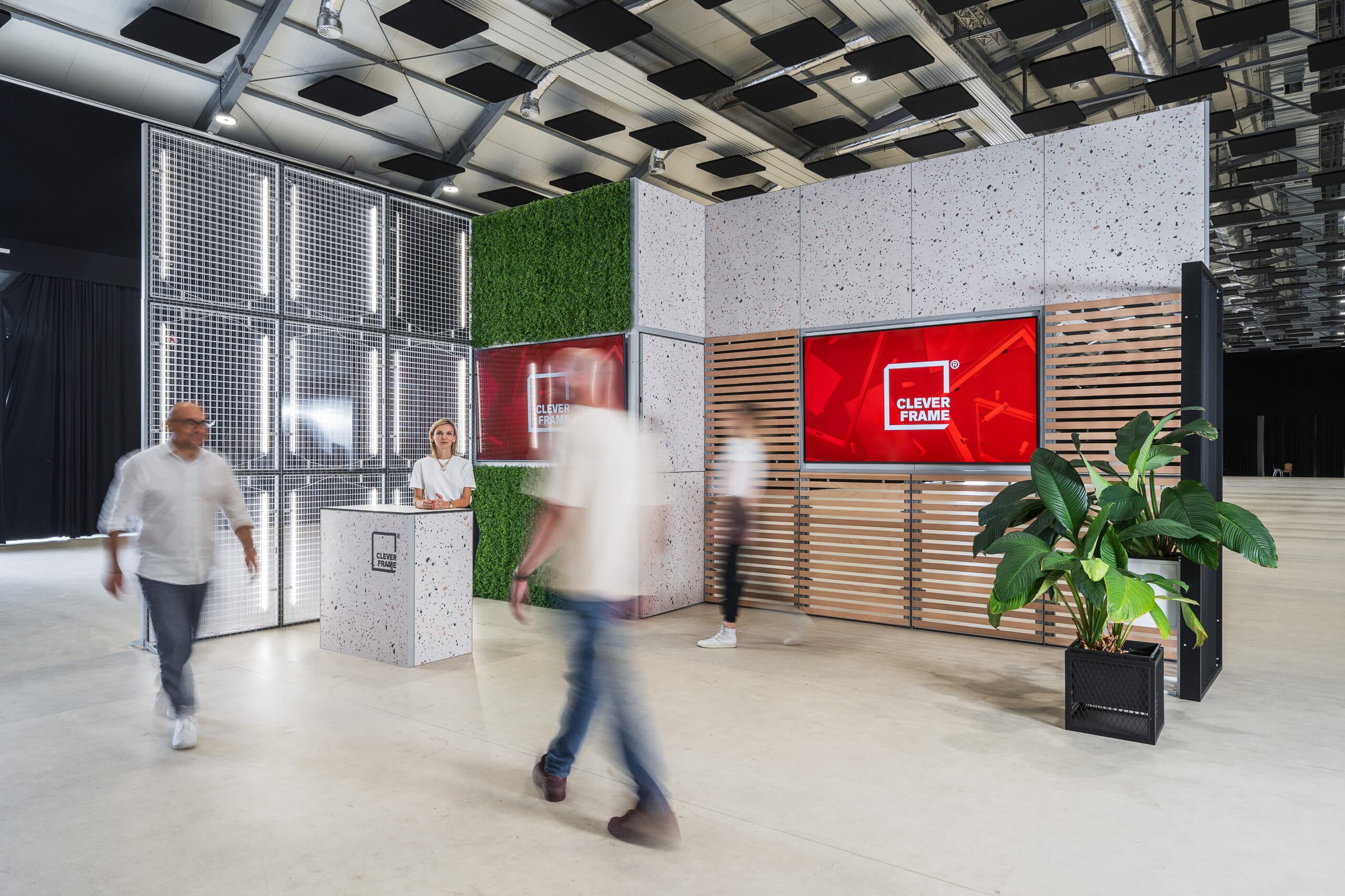
For Clever Frame, experiential marketing is supported through flexible presentation spaces tailored to specific activities. Modular structures, magnetically mounted graphic panels and clearly defined demo zones allow brands to design environments that invite visitors to test products, explore functionalities and immerse themselves in the brand story.
What are the characteristics of experiential marketing?
Experiential marketing has several defining characteristics:
- active participation of visitors in brand activities,
- strong emotional engagement through live experiences,
- integration of visual, tactile and sometimes auditory elements,
- use of space as a key part of communication,
- focus on building lasting impressions rather than one-way messages.
What are the benefits of experiential marketing?
When implemented effectively, experiential marketing delivers multiple benefits:
- higher memorability of events and brand contact,
- stronger relationships between visitors and the brand,
- more effective explanation of product features and benefits,
- increased visitor engagement and time spent at the stand,
- better support for lead generation and sales conversations.
What are the challenges of experiential marketing?
Experiential marketing requires careful planning and coordination:
- designing spaces that support natural visitor flow and interaction,
- maintaining consistent brand identity across all experience elements,
- adapting activities to different event formats and audience profiles,
- ensuring high-quality execution of scenography and technical setup,
- measuring the impact of experiences beyond simple visitor numbers.
What are examples of experiential marketing?
Experiential marketing can take many forms in event and exhibition environments. Examples include:
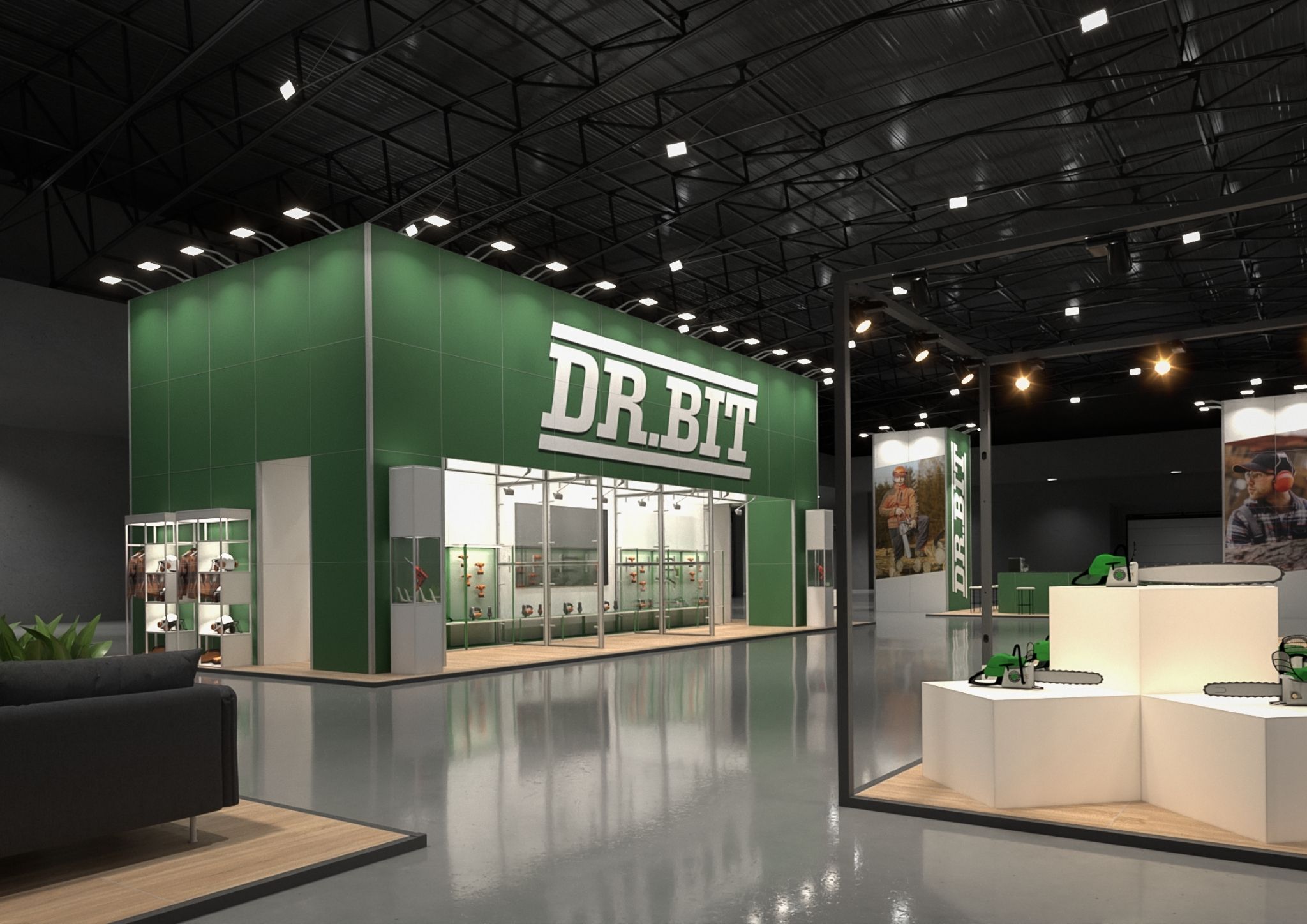
- Clever Frame exhibition stands with dedicated demo and interaction zones,
- showroom experiences that allow visitors to test products in realistic scenarios,
- roadshow activations where the same immersive concept is repeated in multiple locations,
- promotional zones combining storytelling with hands-on product use,
- live presentations that invite visitors to participate rather than only observe.