What is sensory marketing?
Sensory marketing refers to strategies that use the senses – sight, sound, touch, smell and sometimes taste – to build stronger emotional connections between a brand and its audience. By stimulating multiple senses at once, brands can create immersive, memorable experiences that reinforce product value and strengthen brand perception. Sensory marketing is particularly effective at events, trade fairs and showrooms, where visitors experience the brand physically and directly.
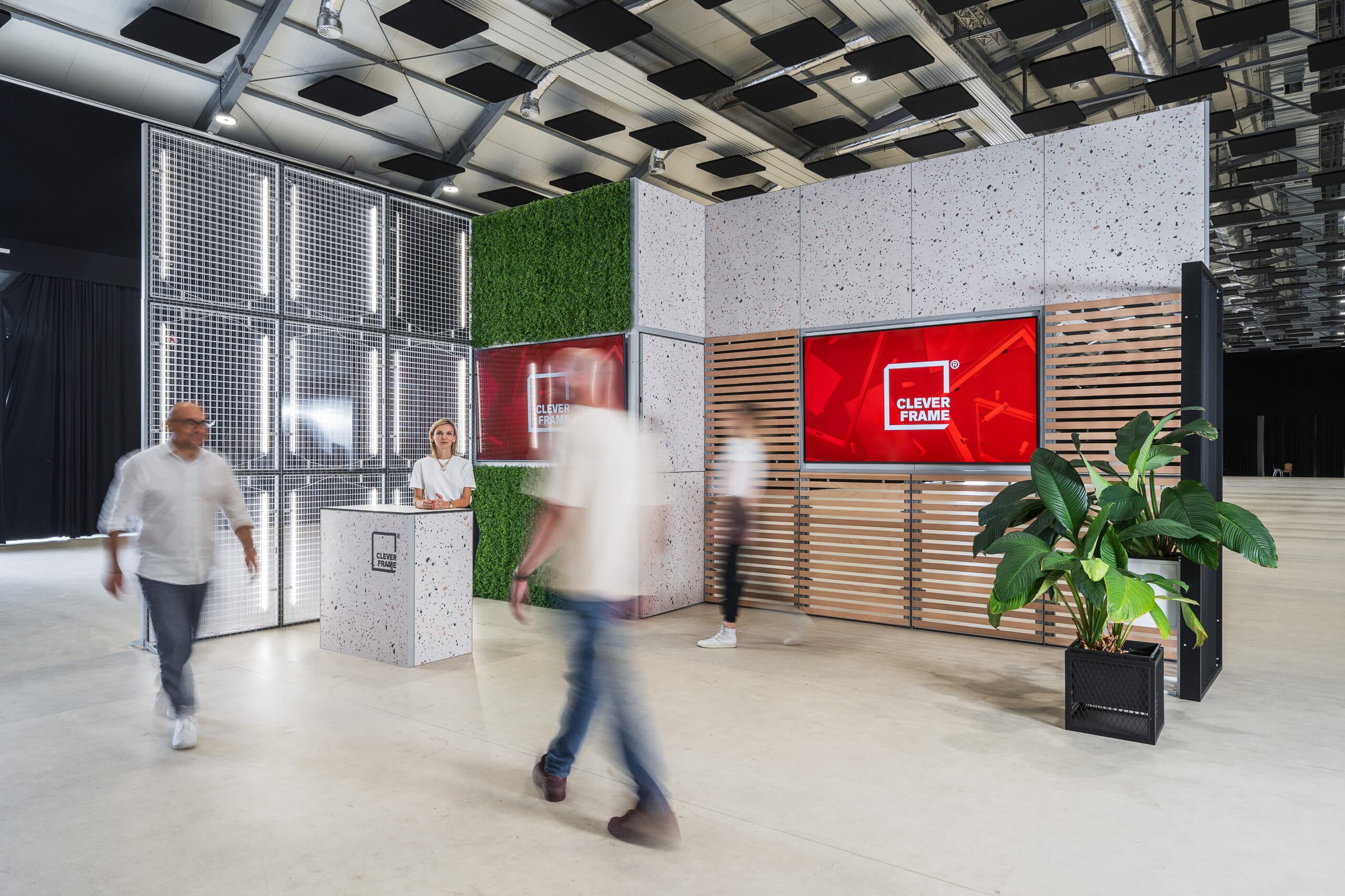
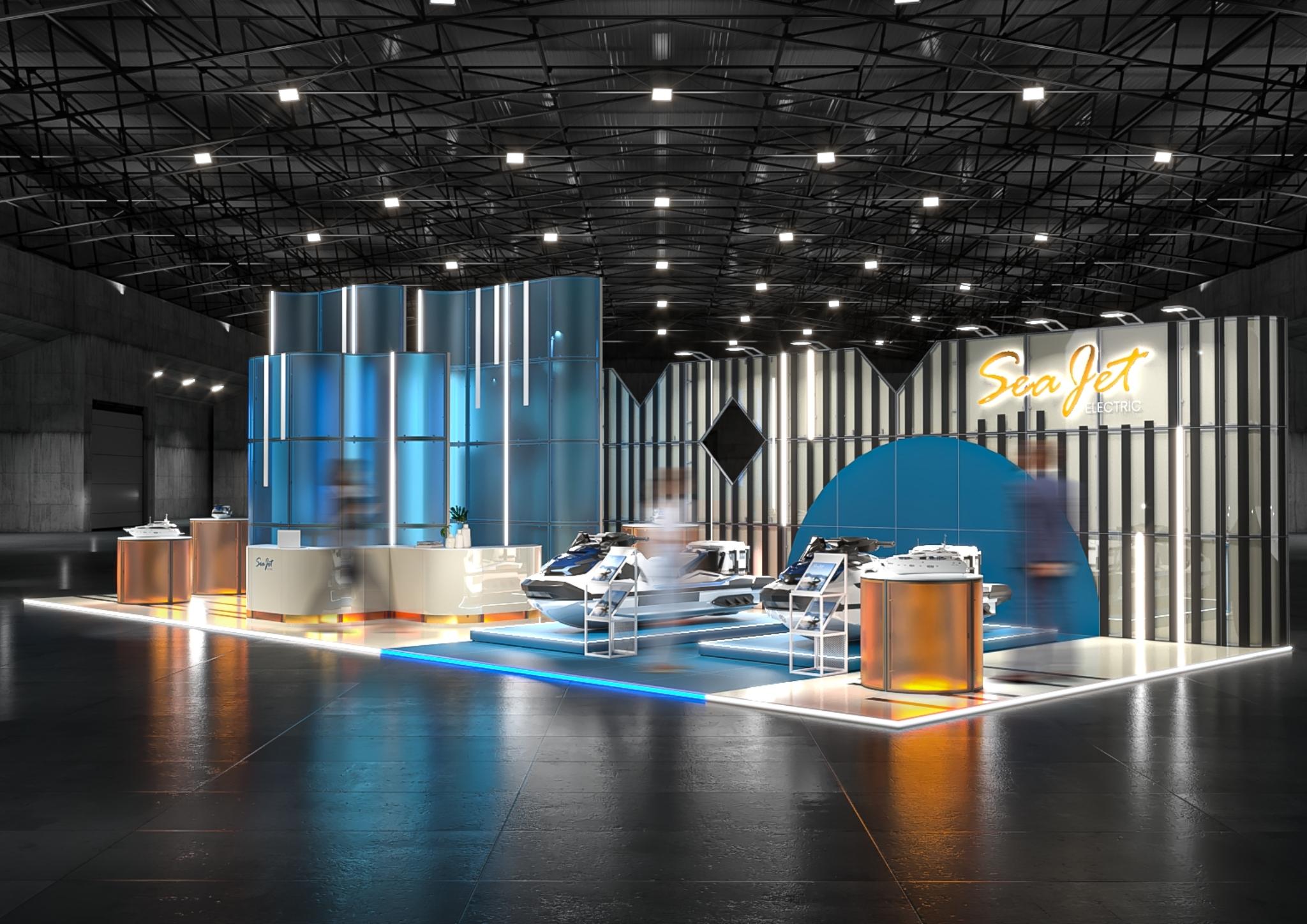
For Clever Frame, sensory marketing is supported through well-designed presentation environments that incorporate lighting, tactile materials, high-quality visual graphics and interactive elements. Modular structures and magnetically mounted graphic panels make it possible to tailor the atmosphere and highlight key sensory cues, ensuring that the brand message is experienced, not only seen.
What are the characteristics of sensory marketing?
Sensory marketing is defined by several core characteristics:
- use of multisensory elements to enhance brand impact,
- strong focus on emotional reactions,
- immersive presentation that goes beyond standard visual communication,
- creation of a distinctive atmosphere associated with the brand,
- integration of sensory cues into product demonstrations and spatial design.
What are the benefits of sensory marketing?
When implemented effectively, sensory marketing offers numerous advantages:
- greater memorability of products and experiences,
- stronger emotional engagement from visitors,
- clearer differentiation from competing brands,
- more natural visitor flow through well-designed sensory cues,
- increased likelihood of positive brand associations and recall.
What are the challenges of sensory marketing?
Developing sensory marketing requires precision and coherence:
- balancing sensory elements to avoid overstimulation,
- ensuring consistency with the brand’s identity and tone,
- adapting sensory cues to different event formats and audiences,
- maintaining high quality of materials and technical setup,
- integrating sensory aspects without overshadowing the product itself.
What are examples of sensory marketing?
Sensory marketing appears in many forms across event and exhibition activities. Examples include:
- Clever Frame exhibition stands using lighting, colour and texture to enhance atmosphere,
- interactive demo zones where visitors can touch and test product materials,
- showrooms designed to create a specific mood through sound or scent,
- roadshow activations with immersive product storytelling,
- promotional areas built around tactile and visual engagement.