What is event storytelling?
Event storytelling is the practice of shaping an event’s design, communication and visitor interactions around a coherent narrative that expresses the brand’s values, mission and personality. Instead of presenting products in isolation, brands create a storyline that connects individual touchpoints and enhances the emotional experience of visitors. Effective event storytelling helps audiences understand not only what a brand offers, but also what it stands for.
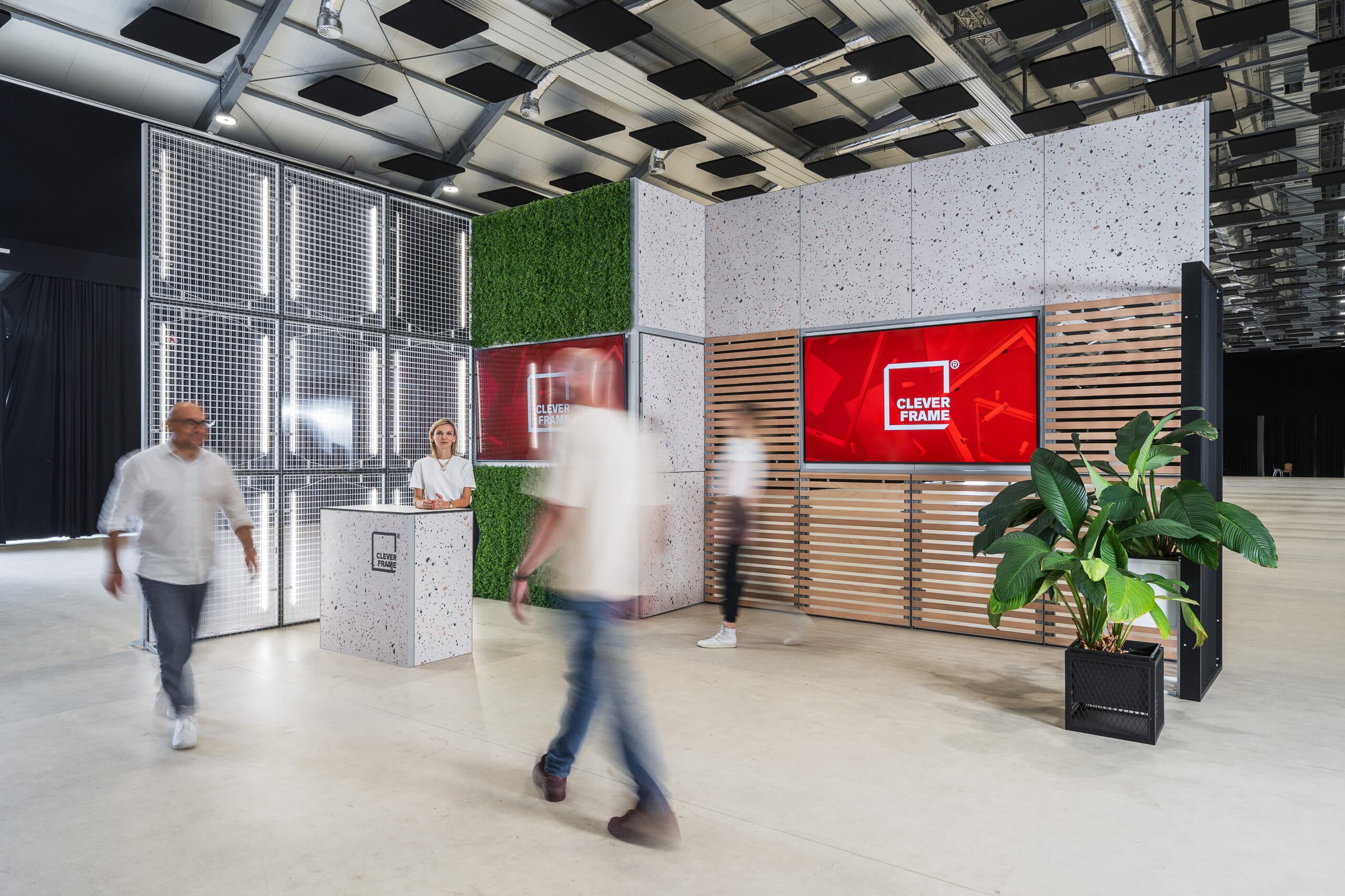
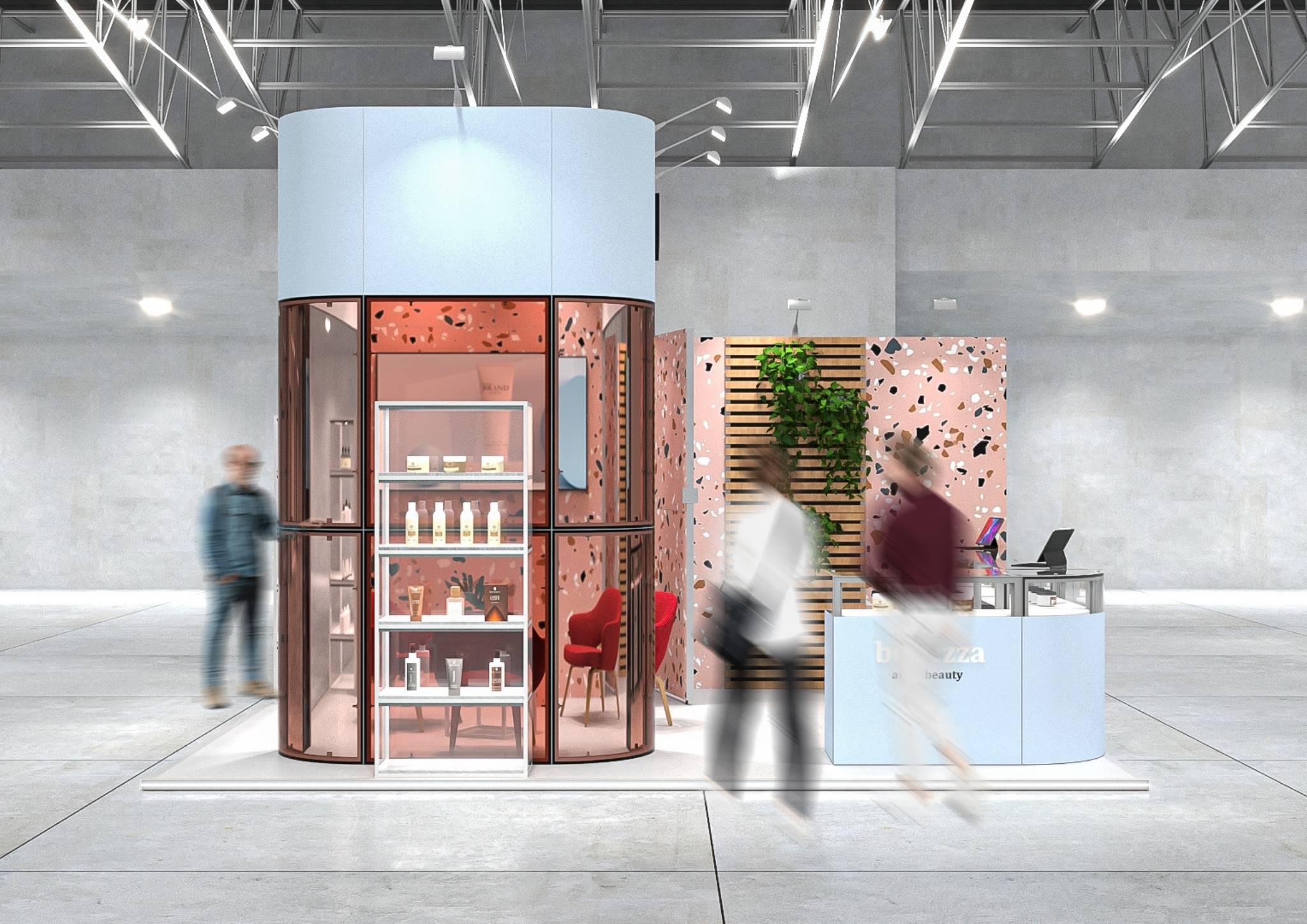
For Clever Frame, event storytelling is supported by the ability to create tailored presentation environments using modular structures and magnetically mounted graphic panels. These elements allow brands to build thematic zones, highlight key messages and guide visitors through a narrative path that reinforces brand perception and deepens engagement.
What are the characteristics of event storytelling?
Event storytelling is defined by several essential characteristics:
- a clear narrative that connects all elements of the event,
- visual coherence and consistent brand identity,
- emotional engagement achieved through design, communication and interaction,
- logical flow guiding visitors through the space,
- integration of product benefits within the broader story.
What are the benefits of event storytelling?
Well-crafted event storytelling delivers several advantages:
- stronger emotional connection between visitors and the brand,
- clearer communication of the brand’s positioning and values,
- higher memorability of the event experience,
- more effective presentation of complex product solutions,
- greater impact on brand perception and visitor engagement.
What are the challenges of event storytelling?
Building a consistent narrative requires strategic planning and precision:
- aligning all event elements with the core story,
- balancing creativity with practical presentation needs,
- ensuring that the narrative is understandable to diverse audiences,
- maintaining consistency across different event locations,
- avoiding clutter or messaging overload that weakens the narrative.
What are examples of event storytelling?
Event storytelling appears in various exhibition and promotional contexts. Examples include:
- Clever Frame exhibition stands divided into thematic zones that reflect the brand’s values,
- showroom experiences that tell a product story through lighting, graphics and spatial flow,
- roadshow concepts presenting a unified brand narrative across multiple cities,
- promotional zones using headline messages and visual cues to reinforce key story elements,
- interactive presentations that combine demonstrations with narrative-driven communication.