
Roadshows and pop-up activations make it possible to bring the offer to where the audience actually is: shopping centres, event spaces, partner showrooms, and industry events. In practice, the challenge is not the concept of mobile selling itself, but maintaining a consistent brand image, display quality, and team efficiency across frequent location changes. In such projects, modular solutions like Clever Frame exhibition stands work particularly well, making it easy to set up a coherent brand display quickly and move it between successive locations.
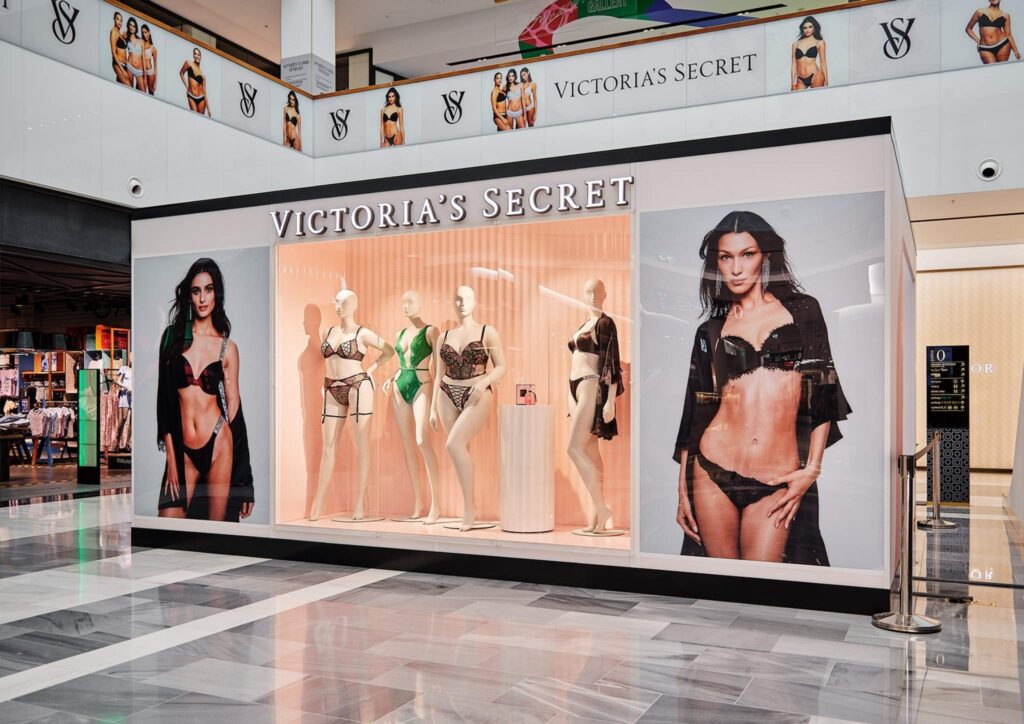
A trade fair stand typically operates in a fixed location, under defined technical conditions and a pre-planned event schedule. Pop-ups and roadshows, on the other hand, demand greater flexibility – both in logistics and in display design.
A pop-up is a short-term brand presence in a space where speed of preparation and immediate clarity of message are paramount. The display must be adapted to limited space and the rules of the venue, while at the same time looking like a fully-fledged point of sale or presentation.
A roadshow is a series of events, often in different cities and a variety of locations. The key is maintaining visual consistency while being able to modify the layout quickly – without rebuilding from scratch. A modular construction allows the stand to be adapted to different floor areas, surface configurations, and organiser requirements.
In roadshows and pop-ups, what matters is speed, operational order, and a repeatable display standard. Clever Frame exhibition stands are built on a modular approach, which simplifies the planning of event marketing activities over multi-month cycles.
Modularity means the layout can be adapted to the conditions of the location and the purpose of the event. The same display base can function as a compact promotional point, and when more floor area is available, be expanded into a larger presentation zone.
In practice, this simplifies the work of marketing and events teams, because a single visual concept can be developed consistently across successive stops on the route.
Speed is one of the most frequent constraints in mobile builds. When a venue allows only a short technical slot and the team must act efficiently, a structure that can be assembled and disassembled without tools makes a significant difference.
A roadshow rarely carries one unchanging message. Products change, seasonal offers vary, promotions differ, and sometimes event partners change too. That is why the ability to update the visual layer quickly without replacing the entire structure is so important.
With Clever Frame modular stands, graphic panels can be easily replaced or adjusted between events. As a result, the same structure can carry different brand narratives throughout the year.
In touring activities, costs and risks frequently arise from logistics: transport, storage, and on-site handling. A modular structure simplifies planning, because components can be transported and stored in a more organised way than is the case with one-off solutions.
In a pop-up or roadshow, the stand is not just a backdrop. It is a tool designed to guide the visitor through a process: noticing the brand, understanding the offer, having a conversation, and deciding on the next step. The following are practical display planning principles that can be applied regardless of industry.
In mobile selling, fluency matters: entry, contact, presentation, close. Stand design is worth basing on simple functional zones that can be scaled depending on the floor area: an attention zone with a clear message and the product’s key benefit; a conversation zone allowing the team to interact comfortably with visitors; a demo zone where offer variants or the way the product works can be demonstrated; and a closing zone – a space for a brief summary, handing over materials, and setting up the next step.
In pop-ups, visitors often have only a few seconds to decide whether it is worth approaching. Graphics should therefore support clarity rather than complicate it. It is worth planning the communication in layers that can be swapped depending on the city, the season, or the event partner: one main message sentence that answers “what is this and who is it for”; three to five short benefits that develop the message without overloading the content; and brand identity elements consistent with other channels, so that the display is immediately recognisable.
A roadshow works best when each successive event reinforces the previous one. A consistent stand appearance makes recognisability easier to build, while also allowing the team to operate in a familiar working environment.
Clever Frame modular exhibition stands can help maintain a repeatable display standard while introducing controlled changes – for example, through different layouts or the replacement of graphic panels for a specific location.
Modular design is worth starting from use scenarios rather than a single event. The following examples show how one concept can support different marketing objectives depending on the context.
A format for brands that need a brief expert conversation and product display. The layout should make the main message prominent and allow a quick transition to conversation without blocking traffic.
In a launch, first impression and a coherent story are what matter most. Modular structure makes it easy to prepare several visual variants, and interchangeable panels can help when the product has different versions or when campaign headlines change.
In recruitment tours, what counts is clear messaging, an organised conversation space, and brand recognisability across successive cities. The same structure can serve different events, and content modifications may relate to local messages or current HR team needs.
Pop-ups and roadshows often require rapid execution in different locations, which can generate a high volume of one-off solutions. A modular approach can reduce this risk, because the structure is planned for multiple use and for updating the communications layer without rebuilding everything from scratch.
From a sustainability perspective, what matters most is repeatability, a longer display lifecycle, and the ability to adapt to successive events. With Clever Frame exhibition stands, a key operational element is that the same structure can be used multiple times, and messages can be changed through the replacement of graphic panels.
In mobile selling, cost does not come solely from stand production. What counts is the total cost of ownership across several or a dozen events: preparation, transport, storage, team working time, and creative updates. Modular solutions can help reduce recurring expenses, because one structure can serve multiple builds.
The most frequently visible areas of efficiency are: the ability to use the same structure at different events, which reduces the need to produce one-off structures; shorter display preparation time thanks to tool-free assembly and disassembly; easier logistics planning thanks to space efficiency during transport and storage; and messaging updates through the replacement of graphic panels instead of rebuilding the entire display.
Pop-ups and roadshows are a natural environment for mobile solutions, but the possibilities do not end there. The same structure can support marketing activities in spaces that are not classic trade fairs: industry events and conferences, where fast assembly and clear brand identification are what matter; showrooms and temporary exhibitions, where communications change with the offer and the season; presentations at trade partners, when a consistent and portable display is needed; and promotional activations in commercial spaces, where the layout must be adapted to local constraints.
Planning a pop-up and roadshow is worth basing on a repeatable format that can be scaled and updated without losing quality. The most practical principles are: designing one display core that can be expanded or simplified depending on the location; preparing several communication variants; maintaining brand identity consistency at every stop on the route; planning logistics and storage so that the display is ready for successive builds; and choosing a structure that allows assembly and disassembly without tools.
If you are planning a cycle of pop-ups or a roadshow and want a single display base to scale between locations, the Clever Frame team will help you select the modular configuration and the set of graphic panels for rotation between tour stops.