What is Trade Show Pipeline Attribution?
Trade show pipeline attribution is the process of connecting trade show activity to measurable outcomes in the sales pipeline, such as marketing qualified leads (MQLs), sales accepted leads (SALs), opportunities, and closed-won revenue. It combines event data (for example, badge scans, meeting logs, demo attendance, or session participation) with CRM and marketing automation records to estimate how much a trade show contributed to pipeline creation and progression.
In event marketing and face-to-face communication, attribution helps teams move beyond counting booth visits and business cards. It frames the trade show booth as a touchpoint in a longer buyer journey and clarifies how the on-site brand experience, product presentation, and quality of conversations influence later digital actions and sales interactions.
Main goals of Trade Show Pipeline Attribution
Attribution is used to align event investments with revenue impact and to improve decision-making across marketing and sales. Typical goals include:
-
quantifying how trade show leads convert into opportunities and revenue over time,
-
identifying which audience segments and intent signals correlate with higher pipeline velocity,
-
prioritizing events, formats, and booth configurations that support lead quality and follow-up effectiveness,
-
creating a shared measurement language between event marketing, demand generation, and sales teams.
Benefits for marketing, sales, and brand teams
When implemented consistently, trade show pipeline attribution improves both performance analysis and operational execution. Key benefits include:
-
clearer ROI discussions based on pipeline influence rather than only cost per lead,
-
better follow-up workflows, because lead source and engagement context are captured and searchable,
-
evidence-based optimization of booth messaging, demos, and meeting strategy,
-
stronger brand consistency, by linking the on-site experience to downstream behaviors such as website visits, content consumption, and inbound inquiries.
For physical brand environments, attribution can also help evaluate whether the space supported meaningful interactions. Factors such as visibility of key messages, clarity of product positioning, and the ability to host short consultations may be reflected later in conversion rates and opportunity outcomes (although these effects are typically correlational rather than strictly causal).
Challenges and limitations
Trade show attribution is rarely perfect, because offline interactions create data gaps and the sales cycle may involve multiple stakeholders. Common challenges include:
-
incomplete identity matching, when a booth visitor uses a different email later or shares information through a colleague,
-
long and multi-touch journeys, where trade shows act as an influence rather than the final source,
-
inconsistent data capture, such as missing notes about conversation topics, product interest, or timeline,
-
measurement bias, when only scanned or scheduled contacts are recorded and informal high-value conversations are not.
Attribution can also be limited by privacy and consent requirements. Data collection methods must be transparent, purposeful, and aligned with applicable regulations (for example GDPR/UK GDPR where relevant), event organizer rules, and internal policies.
How it is used at trade shows and events
In practice, pipeline attribution starts before the event and continues well after it ends. At the planning stage, teams define what counts as an attributable interaction and how it will be captured. During the event, the booth layout and visitor flow matter because they shape what can be measured and what gets remembered.
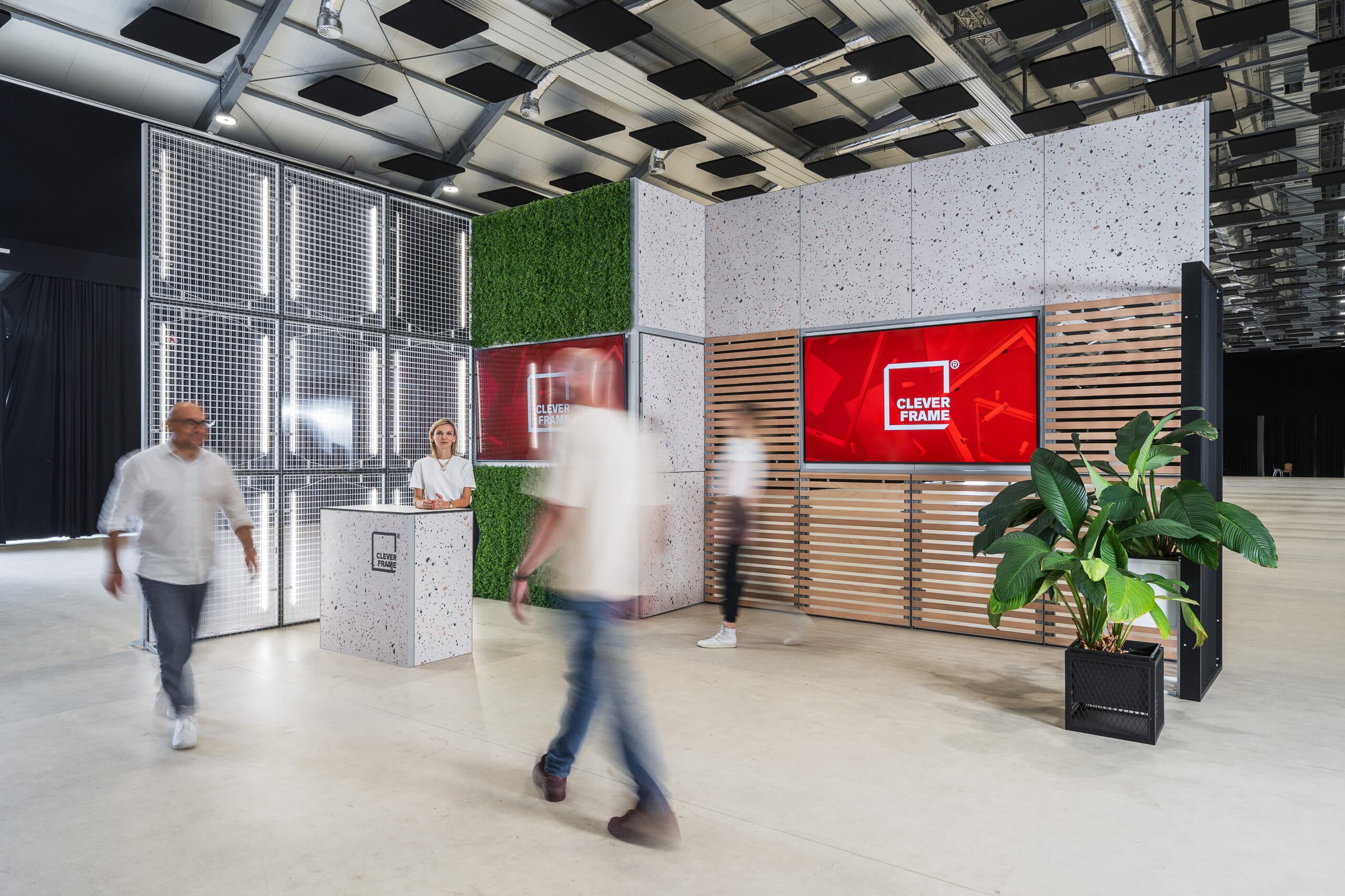
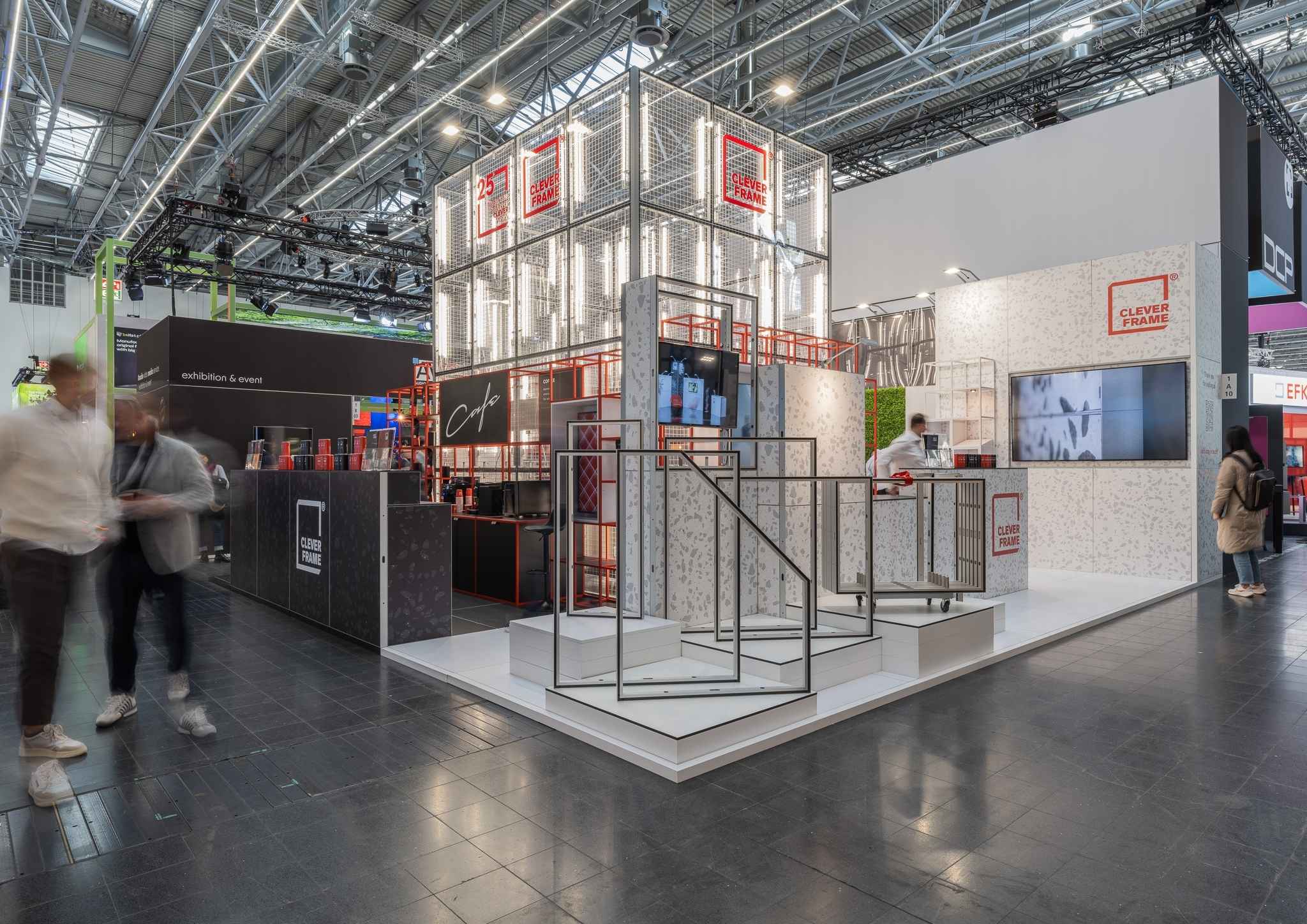
A booth that supports structured touchpoints, such as demo stations, consultation areas, or clearly defined conversation zones, makes it easier to log interactions consistently. Modular trade show booths, including Clever Frame trade show booths, can help teams adapt the footprint and messaging between events. A magnetic approach to graphics can enable fast replacement of graphic panels, supporting seasonal campaigns or updated value propositions without rebuilding the entire stand.
After the event, attribution relies on disciplined follow-up and data hygiene. Leads should be synced to the CRM with standardized fields, for example event name, interaction type, product interest, consent status (where applicable), and next step. When the same account engages across channels, attribution models can represent the event as one touchpoint among others, rather than forcing a single-source explanation.
Role of space, visual consistency, and visitor flow
Pipeline impact is influenced by how effectively the space enables conversations that move deals forward. Several physical factors are often associated with better lead quality and smoother handover to sales:
-
clear visual hierarchy, so visitors quickly understand what the brand offers and who it is for,
-
frictionless entry points, so visitors can approach, ask questions, and be routed to the right person,
-
intent-based zones, for example separating quick discovery chats from deeper consultations,
-
consistent visual communication across walls and panels, so key claims and proof points are reinforced during and after the conversation.
From an attribution perspective, better visitor flow can reduce missed interactions and improve the quality of notes. It can also increase the likelihood that an identified visitor will engage in a measurable action, such as booking a meeting, requesting a quote, or scanning a QR code leading to a tracked landing page.
Examples of Trade Show Pipeline Attribution in practice
Methods vary by company size, sales model, and data maturity. Common practical approaches include:
-
single-touch reporting, where pipeline is credited to the trade show if it is the first recorded touchpoint for a contact or account,
-
influence reporting, where opportunities are flagged as event-influenced when at least one stakeholder attended or engaged at the booth,
-
multi-touch attribution, where the trade show is weighted alongside other touches such as webinars, outbound sequences, and product trials,
-
account-based measurement, where engagement at the booth is tied to target accounts and evaluated through account progression metrics.
A practical example is linking badge scans to a dedicated post-event follow-up sequence with tracked URLs. If a visitor later requests a demo or responds to sales outreach, the event touch can be associated with opportunity creation. Another example is using standardized meeting notes to categorize intent levels, then comparing opportunity conversion rates across categories to refine on-site qualification criteria.
See also
-
trade show ROI
-
lead capture
-
visitor flow
-
brand experience