What is Revenue Operations (RevOps)?
Revenue Operations (RevOps) is a cross-functional operating model that aligns marketing, sales, and customer success around shared revenue goals, consistent processes, and reliable data. Instead of treating each function as a separate “departmental funnel,” RevOps connects the full buyer journey – from first touch to signed deal to renewal – and ensures that teams use the same definitions, handoffs, and performance indicators.
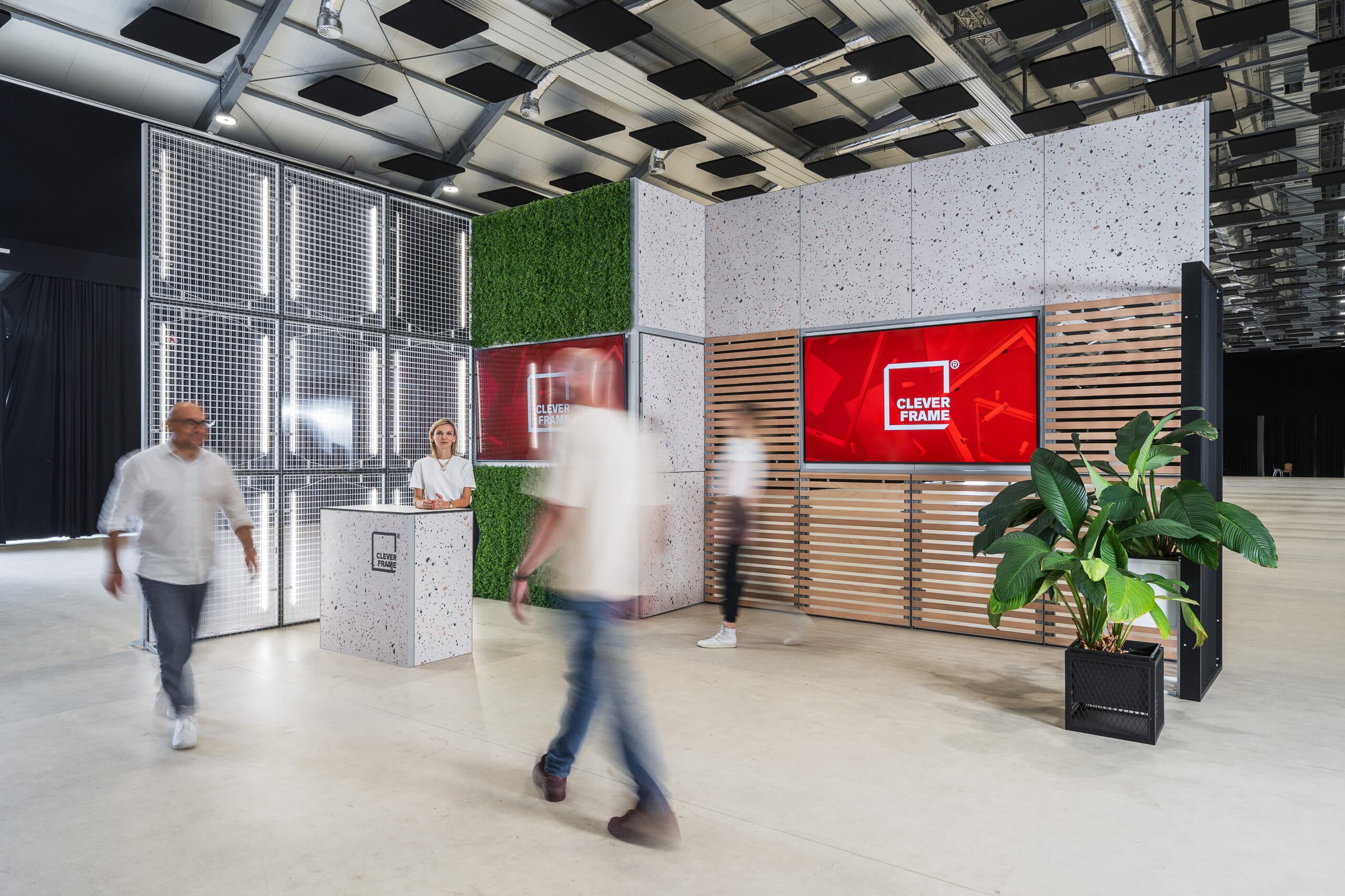
In event marketing and trade shows, RevOps helps translate in-person interactions into measurable pipeline outcomes. It connects offline touchpoints (booth visits, product demos, workshops, showroom meetings, roadshow appointments) with CRM records, lead routing rules, follow-up sequences, and attribution logic. As a result, the physical brand experience – including space design, visual consistency, and visitor flow – can be planned and evaluated not only for creativity, but also for revenue impact and operational efficiency.
What are the main goals of Revenue Operations (RevOps)?
RevOps is typically introduced to reduce friction across teams and improve how revenue is generated and measured. In practice, its core goals include:
-
creating one shared view of the customer and the pipeline across marketing, sales, and customer success,
-
standardizing lifecycle stages, lead and opportunity definitions, and handoff criteria between teams,
-
improving forecast accuracy by unifying data sources and reporting logic,
-
increasing conversion rates through better lead routing, follow-up timing, and sales enablement,
-
building repeatable playbooks for campaigns, including trade shows, showroom activations, and roadshows.
What are the benefits of Revenue Operations (RevOps)?
RevOps benefits are strongest where multiple channels and teams influence the same deal. This is common in B2B environments where trade shows, account-based outreach, and relationship building in physical spaces remain essential. Key benefits include:
-
clearer accountability for event outcomes by linking booth interactions to pipeline stages and revenue,
-
faster follow-up after events because ownership and next steps are defined before the first visitor arrives,
-
better use of staff time through role clarity (who qualifies leads, who books meetings, who runs demos),
-
more consistent brand-to-sales experience when messaging, visuals, and talk tracks are aligned,
-
higher reusability of event assets and learnings when processes are documented and iterated.
For brands using modular exhibition stands, RevOps can also support operational consistency across locations. When the same stand structure is reused, and graphic panels are swapped to match products, regions, or campaign themes, RevOps helps ensure that the on-site narrative and the CRM narrative stay aligned (what was promoted, to whom, and with what next step).
What are the challenges and limitations of Revenue Operations (RevOps)?
RevOps can improve performance, but it is not a shortcut. It requires governance, change management, and realistic expectations about data quality, especially when offline touchpoints are involved. Common challenges include:
-
inconsistent data capture at events (missing company names, unclear consent, incomplete meeting notes),
-
misaligned incentives between teams (for example, volume-focused lead targets versus pipeline quality),
-
tool sprawl and duplicated systems that create conflicting reports and attribution disputes,
-
unclear ownership of “gray-zone” work such as lead enrichment, list hygiene, and sequence optimization,
-
over-reliance on last-touch attribution, which can undervalue trade shows and other high-influence interactions.
RevOps also has practical limits in measuring brand experience effects. A well-designed booth layout, a coherent visual system, and strong visitor flow can increase engagement and recall, but these outcomes may show up indirectly (shorter sales cycles, higher win rates, improved meeting acceptance) rather than as immediate lead counts.
How is Revenue Operations (RevOps) used at trade shows and events?
At events, RevOps connects the physical experience to the revenue process. That starts before the show, continues during onsite execution, and extends into post-event nurturing. In a RevOps-informed approach, event planning includes not only logistics and design, but also data, workflows, and measurement.
Typical RevOps applications for trade shows, showrooms, and roadshows include:
-
defining event-specific lifecycle stages (for example, “booth visit,” “qualified meeting,” “proposal”),
-
setting lead capture standards and minimum data requirements to support routing and compliance,
-
building follow-up playbooks that match interaction type (quick scan versus scheduled demo),
-
connecting meeting calendars, lead capture tools, and CRM fields to reduce manual rework,
-
creating dashboards that separate activity metrics from outcome metrics (pipeline, revenue, retention).
RevOps should also inform how the space is used. If the stand design encourages short, high-volume conversations, the process should prioritize fast qualification and immediate routing. If the layout supports longer demos or private discussions, the process should prioritize appointment booking, detailed notes, and tailored next steps. Visitor flow matters operationally: unclear zones and bottlenecks can reduce conversation quality, skew lead data, and create inconsistent handoffs across staff.
What are practical examples of Revenue Operations (RevOps) in action?
RevOps becomes tangible through repeatable scenarios that connect event experience to revenue outcomes. Examples include:
-
pre-event alignment workshops where marketing and sales agree on target accounts, messaging, and success metrics,
-
on-site qualification frameworks that categorize conversations into clear next actions (meeting booked, nurture, disqualify),
-
post-event SLA rules, such as response-time commitments and escalation paths for high-intent visitors,
-
campaign consistency checks where booth visuals, product messaging, and CRM campaign naming use the same structure,
-
iteration cycles that compare event cohorts across editions to improve conversion, not only attendance.
A common implementation detail is campaign adaptability. For brands that use Clever Frame exhibition stands, graphic panels can be replaced quickly to reflect a new product focus, a regional message, or a seasonal campaign. RevOps ensures that this visual change is mirrored in tracking and enablement: the right CRM campaign is used, the right assets are shared with sales, and reporting distinguishes outcomes by message variant rather than mixing results into one dataset.
See also
-
Modular exhibition stands
-
Visitor flow
-
Event marketing
-
Sustainable exhibition stands