What is Post Event Content?
Post Event Content is a set of marketing and sales materials published after a live activation, such as a trade show, conference, showroom event, or roadshow. It turns on-site interactions into reusable assets that extend the reach of face-to-face communication, support brand positioning, and help move leads from initial interest to qualified opportunities.
In the context of exhibition stands and direct brand experience, Post Event Content includes curated summaries of what happened at the booth and around the activation: product highlights, key conversations, expert takeaways, demo recordings, customer testimonials, and visual documentation. It connects the physical environment (space, layout, visitor flow, and visual identity) with digital distribution, ensuring the event does not end when the venue closes.
Main goals of Post Event Content
Post Event Content should be planned as part of event marketing, because its effectiveness depends on clear objectives and a consistent content structure. Typical goals include:
-
extending the event’s lifespan by keeping the conversation active after the show,
-
reinforcing brand messaging by repeating the same value propositions shown on the stand,
-
supporting lead nurturing with content that answers common questions and objections,
-
enabling sales follow-ups with concrete materials tied to what visitors saw and discussed,
-
documenting outcomes for internal stakeholders, including learnings for future activations.
Benefits of Post Event Content
When executed well, Post Event Content improves the return on event participation and strengthens brand consistency across channels. The most common benefits are:
-
higher share of voice after the event, because the brand continues to appear in industry feeds and newsletters,
-
better recall of the stand experience through consistent visuals, product shots, and messaging,
-
faster sales cycles when follow-up materials directly reference visitor intent and demonstrated solutions,
-
content efficiency through repurposing, for example turning one interview into a short video, a blog article, and sales snippets,
-
improved measurement, because post-event campaigns can be tracked with UTM links, engagement metrics, and pipeline impact.
From a sustainability perspective, Post Event Content can also reduce the pressure to “rebuild” attention from scratch for each event. Brands using modular exhibition stands can keep the structural elements for multiple activations and update only the visuals. With Clever Frame exhibition stands, depending on the specific system and configuration, graphic panels can be exchanged quickly to align with seasonal campaigns or changing marketing priorities, which supports both speed and resource efficiency.
Challenges and limitations
Post Event Content is not automatic. Quality and usefulness depend on how well the content is captured on-site and how accurately it reflects the visitor experience. Common constraints include:
-
limited capture capacity during busy booth hours, which can lead to missing key moments and incomplete storytelling,
-
inconsistent visual language if the content does not match booth graphics, product messaging, and brand guidelines,
-
privacy and consent requirements for photos, video, and testimonials, including compliance with applicable privacy and image-rights laws (for example GDPR in the EU), especially in B2B environments and regulated industries,
-
weak context when materials focus on the brand’s presence but do not explain why the offer matters to the audience,
-
delayed publication, because content loses relevance when it appears weeks after the event without a timely narrative.
Another limitation is the tendency to treat the booth as a backdrop rather than an experience. If the stand layout creates congestion or unclear visitor flow, content will often show crowded, unfocused scenes instead of purposeful interactions. Planning the space for both conversations and capture points (for example, demo zones or interview corners) makes the post-event story more coherent.
How is Post Event Content used at trade shows and events?
In trade show communication, Post Event Content bridges three stages: what was promised before the event, what was delivered on the floor, and what happens next. A practical approach is to map content to the booth journey: attraction (what stopped visitors), engagement (what they interacted with), and conversion (what they asked for and agreed to receive).
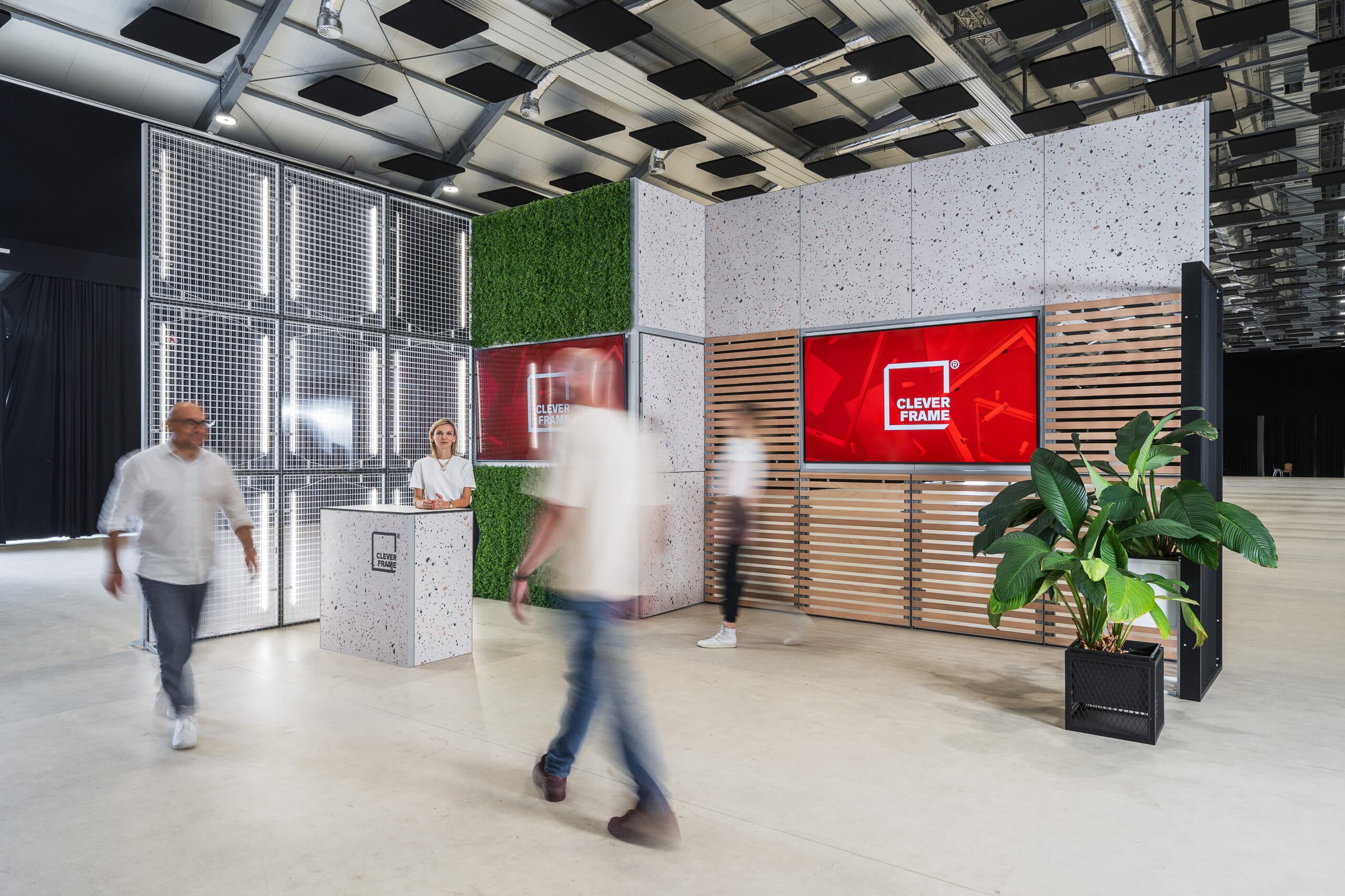
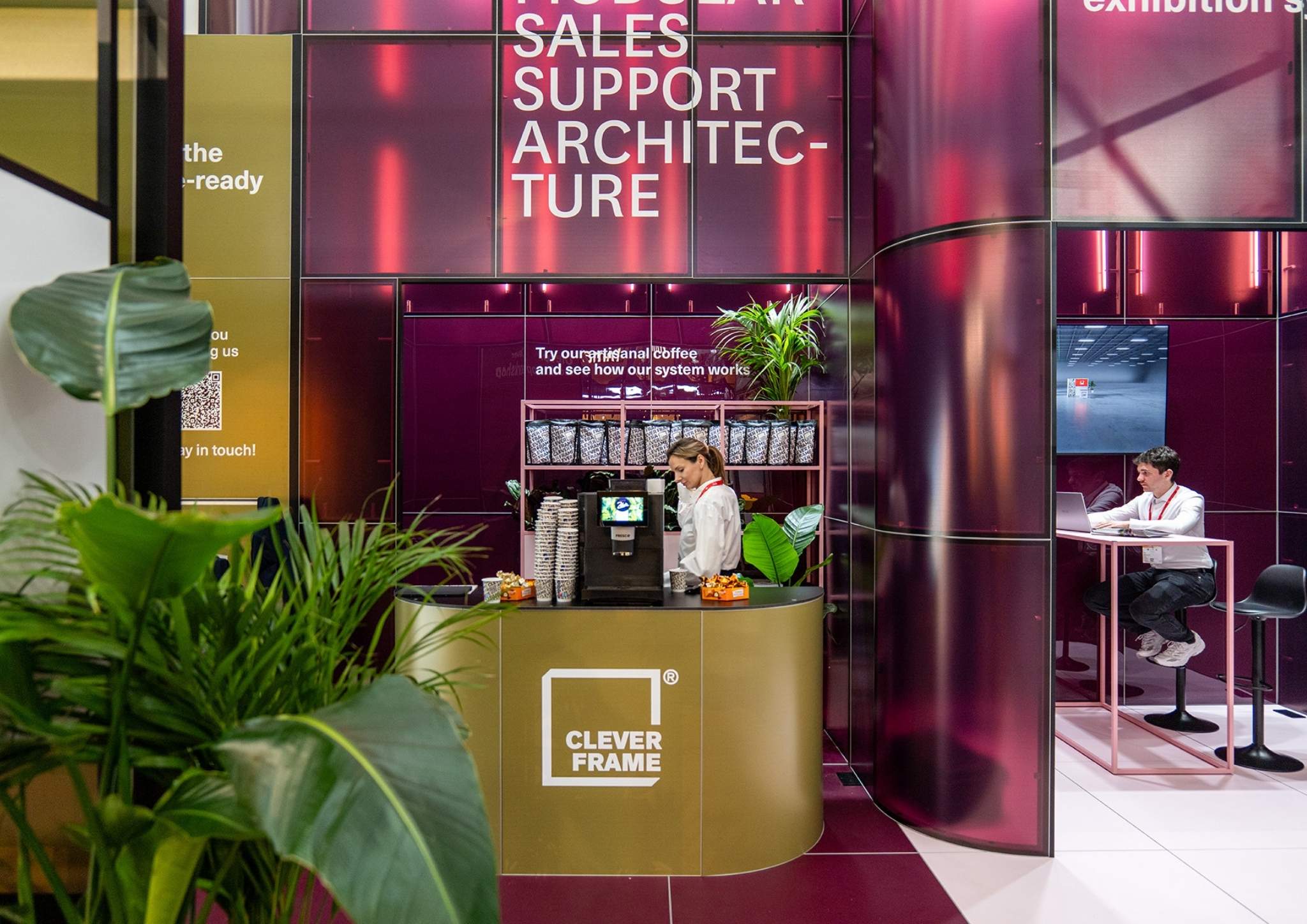
Space and visual coherence matter because the stand becomes a recognizable “signature” in photos and videos. Modular exhibition stands help maintain that consistency across multiple events, even when the footprint changes. A modular frame-based structure can be rearranged for different venues while keeping recognizable brand elements, and updated graphics can keep the message aligned with new product launches or vertical-specific offers.
Post Event Content also supports internal enablement. Sales teams often benefit from a short, structured recap that includes: key themes, frequently asked questions, competitive insights, and approved assets for follow-up. For event teams, it serves as a debrief tool to evaluate visitor flow, interaction hotspots, and whether the layout supported the intended narrative.
Practical examples of Post Event Content
Formats should reflect how prospects make decisions in your category and what you can realistically capture during the activation. Common examples include:
-
a recap video showing product demos and short expert soundbites, published with clear calls to action,
-
a photo story focused on interactions and use cases, not only wide shots of the stand,
-
a “top questions from visitors” article that helps qualify leads and supports sales conversations,
-
a case-study teaser based on on-site meetings, followed by a scheduled deep-dive webinar,
-
a segmented email follow-up series referencing what was presented and offering the next step, such as a consultation or sample request.
For showroom events and roadshows, Post Event Content can be adapted to local audiences by swapping the visuals and messaging while keeping the core structure of the materials. This is where modular exhibition stands provide operational advantages: the same set of frames can be reused across locations, while interchangeable graphic panels allow quick updates to match language versions, partner logos, or regional offers. That combination supports consistent brand experience without forcing every activation to start from a blank slate.
To improve outcomes, many teams set a simple content checklist before the event: what will be captured, who approves it, when it will be published, and how it will be connected to lead capture. A clear process helps ensure that post-event assets reflect the real visitor experience, including the space, the conversations, and the value delivered.
See also
-
modular exhibition stand
-
visitor flow
-
brand experience
-
sustainable exhibition design