What is lead retrieval?
Lead retrieval is the process of capturing and organizing contact and context data about event participants who interact with a brand during a trade show, conference, roadshow, or showroom visit. In practice, it combines a data capture method (for example badge scanning, QR codes, NFC, or digital forms) with a workflow that qualifies the conversation and assigns next steps for sales or marketing follow-up.
In offline communication, lead retrieval links the physical brand experience with measurable outcomes. It turns booth interactions – product demos, consultations, sampling, or scheduled meetings – into structured records that can be used for timely follow-up, pipeline building, and post-event reporting.
What are the main goals of lead retrieval?
Lead retrieval is designed to support both commercial and communication objectives connected with face-to-face encounters. The goals typically include:
-
identifying who engaged with the brand and what triggered their interest,
-
capturing accurate contact details in a format suitable for CRM and marketing automation,
-
qualifying intent and readiness to buy by tagging needs, timelines, and decision roles,
-
enabling fast follow-up aligned with the participant’s expectations and the conversation topic,
-
measuring event performance through comparable metrics such as number of leads, quality tiers, and conversion rates.
Benefits of lead retrieval for trade shows and event marketing
When lead retrieval is planned as part of the overall event strategy, it improves efficiency and reduces the risk of losing valuable contacts. Common benefits include:
-
higher data quality compared with manual note-taking, which supports reliable segmentation and reporting,
-
better visitor experience, because conversations can focus on needs instead of administrative tasks,
-
clear ownership of follow-up actions, especially when leads are routed to specific teams or territories,
-
consistent brand communication, because staff can use standardized questions and qualification criteria,
-
stronger ROI visibility, by connecting booth activity to pipeline, revenue, and retention outcomes.
Challenges and limitations
Lead retrieval is not only a technical task. It can fail if it is not aligned with the booth concept, team workflow, and compliance requirements. Typical challenges include:
-
privacy and consent obligations, including a GDPR-aligned lawful basis, transparent information, and secure storage,
-
incomplete context, when teams capture contact details but do not record needs, product interest, or urgency,
-
poor adoption, if the process feels slow or complicated during peak traffic,
-
integration gaps, when event data is not mapped correctly into CRM fields and lead status logic,
-
misleading metrics, when the team is incentivized to maximize volume rather than lead quality.
How lead retrieval is used at trade shows and events
At trade shows, lead retrieval is most effective when it is treated as part of the attendee journey and supported by the physical environment. Booth layout, visibility, and visitor flow influence how easily staff can start conversations and capture data without creating queues or friction.
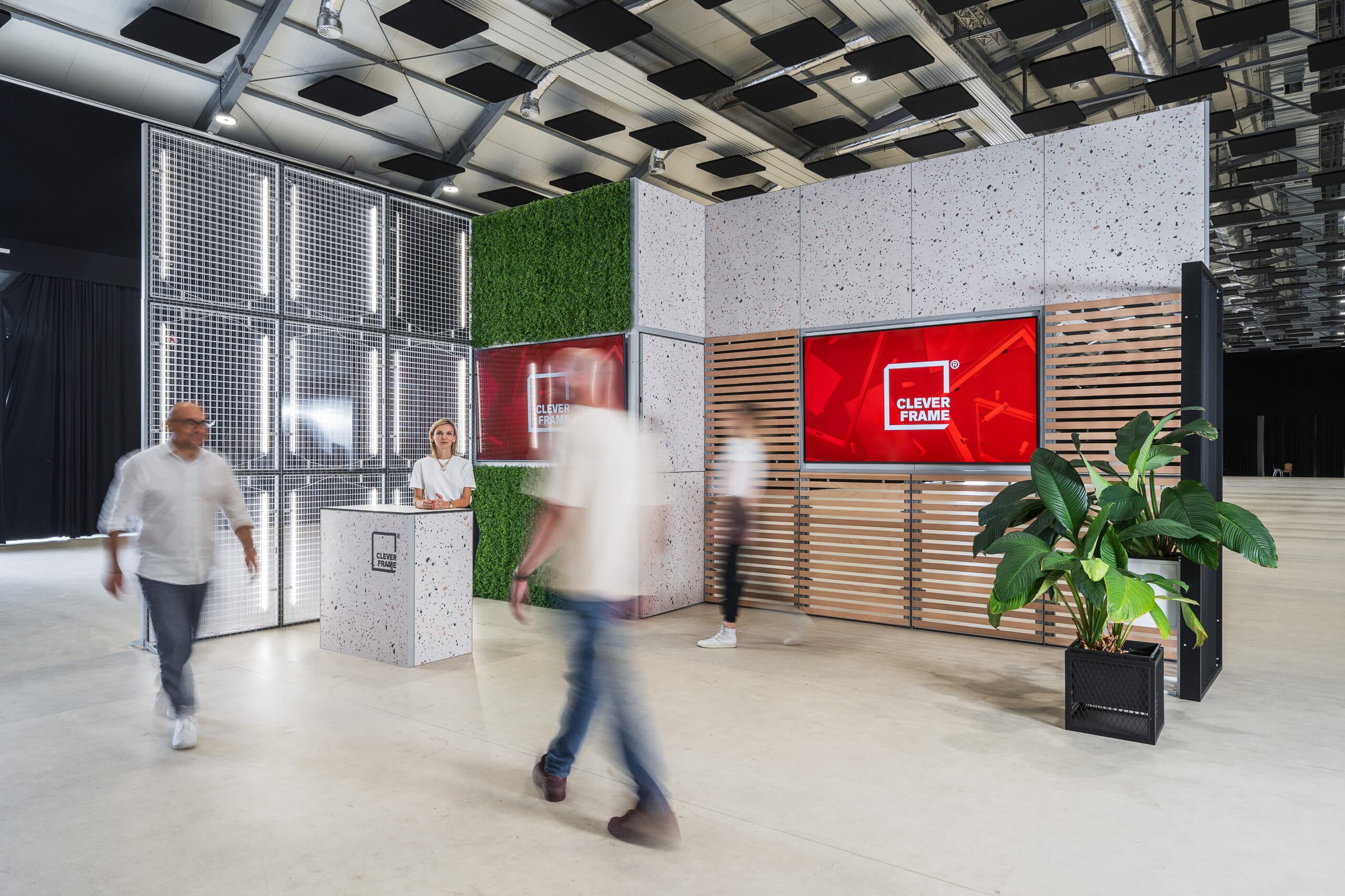
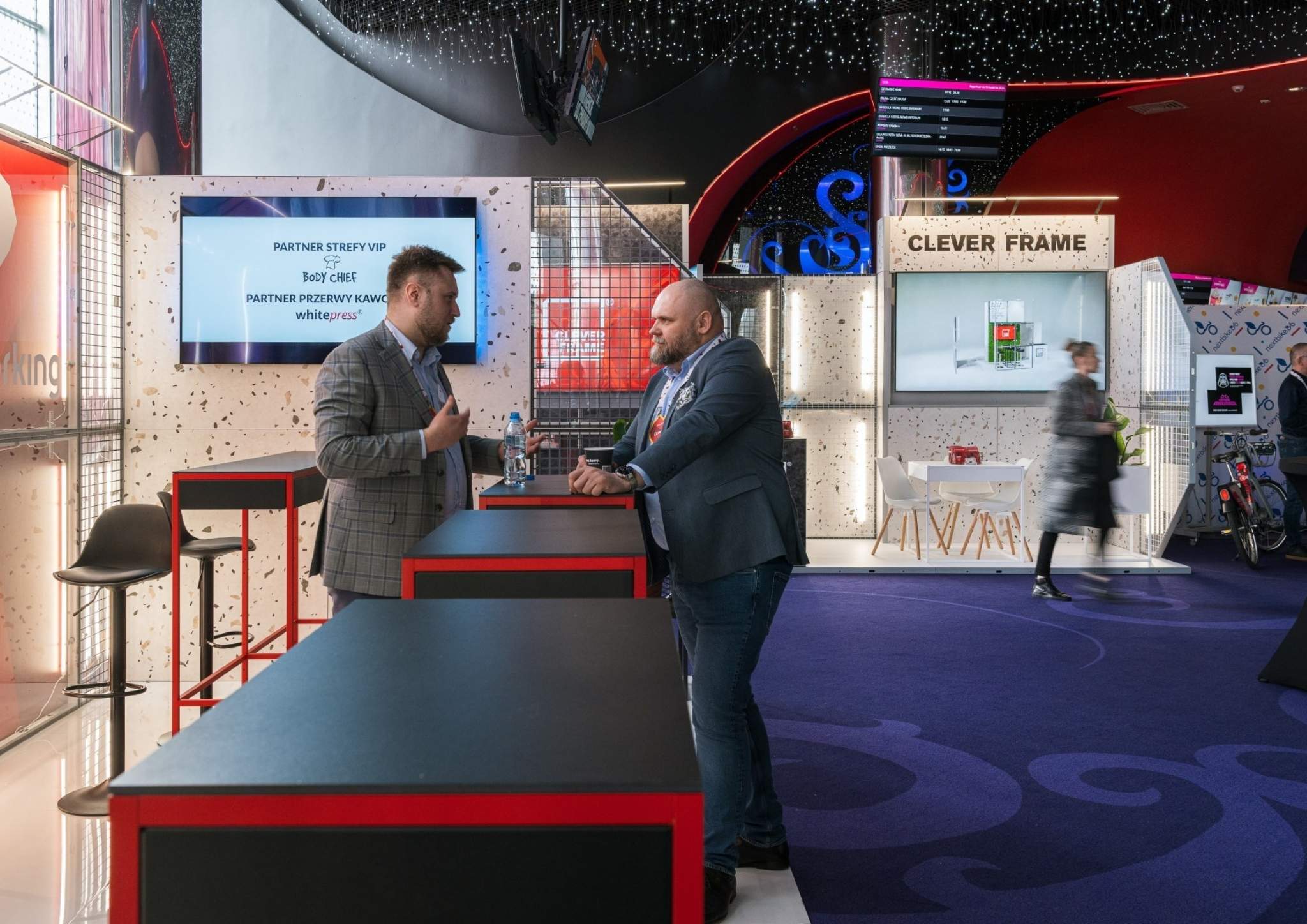
Modular trade show booths from Clever Frame can support lead retrieval workflows by enabling clear zoning and predictable traffic patterns. For example, a consultation area can be separated from a product demo zone, and the entry points can be shaped so that visitors naturally move from attraction to conversation. Tool-free assembly and disassembly can help teams stay focused on event operations rather than build complexity, while modular components can make it easier to adapt the footprint to different venues and audiences.
Consistent visual communication also matters. A strong, readable message makes it easier to qualify visitors: the audience self-selects based on what the booth communicates. Clever Frame uses magnet-mounted graphic panels that can be replaced efficiently, allowing teams to align messaging with specific product launches, seasonal campaigns, or changing marketing priorities without rebuilding the entire stand.
Practical examples of lead retrieval
Lead retrieval methods differ by event format, audience intent, and interaction depth. In practice, many teams combine several approaches:
-
badge scanning at the point of conversation, with quick tags such as industry, use case, and priority level,
-
QR codes on product information areas that open a form or a calendar link for follow-up meetings,
-
NFC taps for demo sign-ups, where visitors choose a topic and provide consent for follow-up contact,
-
tablet-based questionnaires used after a consultation, capturing needs, budget range, and decision timeframe,
-
post-demo lead capture triggered by a short survey, which also supports experience measurement.
In a showroom setting, lead retrieval may be connected to appointment scheduling and longer interactions. The goal shifts from high-volume capture to richer qualification, including project scope and stakeholder mapping. During a roadshow, consistency becomes critical: repeating the same lead capture structure across multiple cities makes reporting comparable and helps refine messaging based on regional feedback.
How to align lead retrieval with booth design and visitor flow
Lead retrieval works best when the team can capture information at the right moment, without interrupting the experience. This is largely determined by spatial planning and the sequence of touchpoints. Practical alignment often includes:
-
placing the first engagement point where initial interest is highest, so staff can qualify intent before moving to deeper conversations,
-
creating a dedicated spot for data capture near consultation zones, so scanning or forms feel like a natural step,
-
using consistent on-stand prompts that explain what happens after the scan, including follow-up timing and how data will be used,
-
ensuring enough space for short queues, so peak moments do not block circulation or discourage entry,
-
training staff to capture context in a standardized way, so lead records remain comparable across shifts.
From a brand experience perspective, the lead retrieval moment should feel like a service step, not a transaction. When visitors understand what value they receive next – a quote, a specification, a meeting, or access to materials – they are more likely to share accurate data and engage further.
See also
-
Visitor flow
-
Brand experience
-
Modular trade show booth
-
Roadshow