
What is GDPR-Compliant Event Analytics?
GDPR-compliant event analytics is the practice of measuring and improving event and trade show performance while processing personal data in line with the EU General Data Protection Regulation (GDPR). It connects offline touchpoints – such as booth interactions, demos, scans, meeting bookings, and post-event follow-ups – with structured data collection that is lawful, transparent, and proportionate to the purpose.
In event marketing and trade show environments, analytics often sits close to direct communication: staff talk to visitors, capture leads, qualify opportunities, and adapt messaging on the spot. GDPR-compliant analytics makes these activities measurable without turning the booth into a surveillance channel. It prioritizes clear information for attendees, minimal data collection, sensible retention periods, and security controls, so teams can evaluate visitor flow, content relevance, and conversion paths while maintaining trust.
What are the main objectives of GDPR-Compliant Event Analytics?
The objectives go beyond reporting. They focus on improving decisions about booth design, content, staffing, and follow-up processes, while keeping data governance consistent across marketing and sales.
-
measure event impact on pipeline and revenue using a defensible methodology and a clear lawful basis for processing,
-
optimize the onsite experience by linking visitor behavior to the physical space, including layout, interaction zones, and visitor flow,
-
improve brand experience by testing what messages and product stories resonate in direct conversations,
-
support operational planning by tracking staffing needs, peak times, meeting cadence, and content performance,
-
enable responsible personalization, where follow-ups reflect attendee interests captured with appropriate notice and, where required, valid consent.
What are the benefits of GDPR-Compliant Event Analytics?
When implemented correctly, GDPR compliance strengthens both performance measurement and the credibility of the brand during face-to-face interactions.
-
higher data quality, because attendees understand what is being collected and why, reducing inaccurate or forced entries,
-
lower compliance risk, through documented processes for lawful-basis management, retention, and data subject rights,
-
better alignment between marketing and sales, using shared definitions for qualified leads, meetings, and conversions,
-
more reliable optimization of booth communication, including the ability to compare messaging variants and engagement patterns,
-
improved trust at the stand, which supports longer conversations and a stronger perception of professionalism.
What are the challenges and limitations?
Event environments are fast-paced and multi-channel, which increases the risk of collecting more data than necessary or losing control over who processes it. The following issues tend to determine whether analytics remains compliant in practice.
-
choosing the correct lawful basis, because not every measurement activity can rely on consent, and legitimate interest requires a balancing test and clear notices,
-
managing multiple processors and tools, where badge scanning, form apps, CRM integrations, and email automation may involve different vendors and data flows,
-
collecting special categories of data by accident, for example through open-text notes that include health information or other sensitive details,
-
ensuring transparency onsite, where privacy information must be accessible and understandable in a physical setting,
-
limiting retention, so data collected for a specific event is not stored indefinitely without a defined purpose and retention period.
How is GDPR-Compliant Event Analytics used at trade shows and events?
At trade shows, showrooms, and roadshows, analytics should be designed around purposeful touchpoints. The physical space matters because it shapes what can be measured: where people stop, what they see first, and how staff can guide conversations. A consistent visual identity supports measurement because it reduces noise when comparing performance across days, locations, or audience segments.
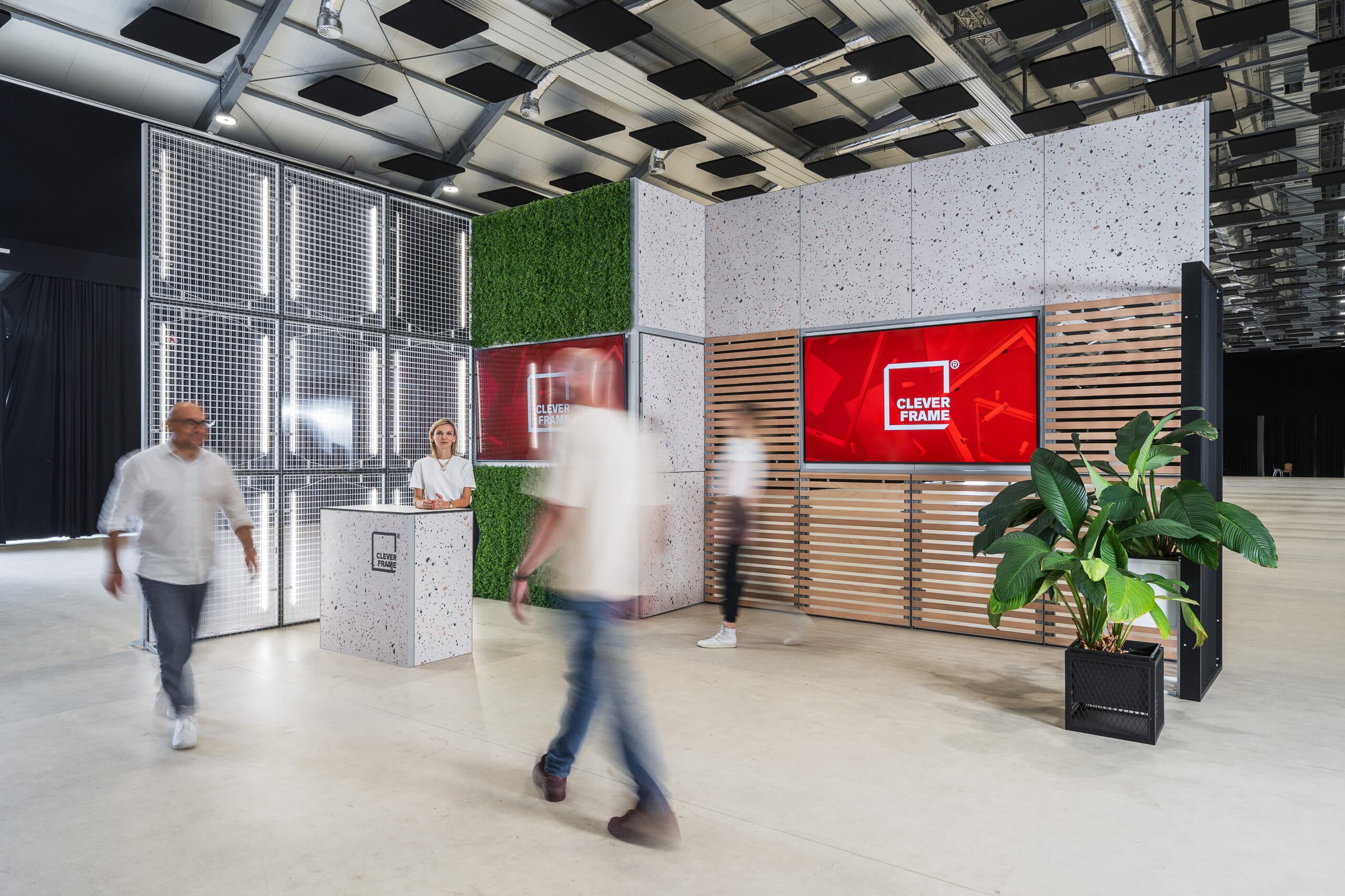
For example, a modular booth can be reconfigured to separate greeting, product demo, and meeting areas. That layout supports cleaner measurement of visitor flow and conversion steps, such as how many visitors who enter the stand reach a demo, and how many demos lead to scheduled follow-ups. If the brand uses magnetic graphic panels, the messaging can be updated between events or campaigns without rebuilding the structure, which enables controlled comparisons of which value proposition drives more meaningful conversations and lead outcomes.
Practical examples of GDPR-Compliant Event Analytics
GDPR-compliant analytics typically combines aggregate metrics with carefully governed lead data. The examples below show common setups that remain realistic for onsite teams.
-
lead capture with clear notice: a short form or scan process that states the purpose (follow-up), the retention period (or retention criteria), and how to exercise rights,
-
meeting conversion tracking: counting scheduled meetings and outcomes, linked to identified contacts processed under an appropriate lawful basis, while storing only necessary qualification fields,
-
content and message testing: rotating headline panels or demo scripts and comparing engagement, dwell time in zones, and qualified lead rates in aggregate,
-
visitor flow measurement without identification: using manual counts, zone-level observations, or truly anonymized sensors that avoid identifying or singling out individuals,
-
post-event attribution: connecting event interactions to CRM opportunities through documented data fields and governance, rather than ad hoc notes.
Implementation notes for marketing teams
GDPR-compliant event analytics is easier when privacy and measurement are designed together. A practical baseline includes: a data map of all collection points (scans, forms, meeting tools), role-based access for staff, standard scripts for explaining data use, and a retention schedule tied to the event purpose. For higher-risk setups, a Data Protection Impact Assessment (DPIA) may be appropriate, especially if processing is likely to result in a high risk to individuals (for example, where tracking could systematically monitor behavior). Vendor due diligence also matters, including Data Processing Agreements (DPAs) where required.
From a brand perspective, compliance is part of the experience. Privacy-first communication can be integrated into the stand narrative in a neutral way: concise signage, a QR link to the event privacy notice, and consistent language across onsite and follow-up messages. This approach supports both measurable outcomes and long-term trust.
See also
-
Modular Exhibition Stand
-
Visitor Flow
-
Magnetic Graphic Panels
-
Sustainable Exhibition Stand