What is Event Sales Pipeline?
An Event Sales Pipeline is a structured view of how sales opportunities move from first contact at an offline touchpoint (such as a trade show booth, conference activation, showroom visit, or roadshow stop) to qualified meetings, proposals, and closed deals. It translates event interactions into clear stages, owners, timelines, and success criteria, so that marketing and sales teams can manage follow-up systematically rather than treating “leads from the event” as a single, undefined bucket.
In event marketing and face-to-face communication, the pipeline is shaped by the physical environment and the brand experience delivered on-site: the booth’s layout, the clarity of visual messaging, the quality of product demonstrations, and the way visitors are guided through conversations. A well-defined event sales pipeline links these on-site moments to post-event actions in CRM, ensuring that interest created in a physical space becomes measurable commercial progress.
Main goals of an Event Sales Pipeline
The pipeline exists to make event-driven revenue more predictable and accountable across teams, channels, and event formats. In practice, it helps set shared expectations for what “success” means at the booth and what needs to happen after the event.
-
create a common language for marketing and sales to define lead quality and next steps,
-
convert booth interactions into scheduled meetings, demos, and decision-stage conversations,
-
shorten time-to-follow-up by assigning ownership and deadlines immediately after contact capture,
-
improve forecasting by tracking stage-to-stage conversion rates for each event and audience segment,
-
strengthen brand experience consistency by aligning messaging, scripts, and offers with pipeline stages.
Benefits in trade shows, events, showrooms, and roadshows
When an event sales pipeline is implemented well, it becomes a practical operating system for field marketing and sales execution. It also improves the value of design decisions, because the space is planned to support specific pipeline transitions.
-
better lead qualification, because teams capture intent, timeline, and buying role instead of only contact details,
-
higher conversion from “interest” to real sales conversations, thanks to defined handoffs and follow-up cadences,
-
clearer ROI analysis, because opportunity value can be connected to a specific event and interaction type,
-
more consistent visitor experience, because staff behaviors and messaging are matched to the stage the visitor is in,
-
repeatable execution across multiple events, especially when a modular booth concept supports the same journey in different footprints.
Challenges and limitations
Event pipelines often fail for operational reasons rather than strategic ones. Offline environments create additional complexity: noise, short attention windows, multiple stakeholders at the booth, and incomplete data. Typical constraints include:
-
inconsistent definitions of stages and qualification criteria across teams, which makes reporting unreliable,
-
poor data quality from rushed conversations, missing consent, or unclear notes that cannot be used in follow-up,
-
delayed CRM updates, which causes leads to cool down before outreach begins,
-
attribution challenges, because opportunities may involve multiple touchpoints beyond the event,
-
space and staffing limitations, where crowded visitor flow reduces the time needed for proper discovery and qualification.
How Event Sales Pipeline is used at trade shows and live activations
At a trade show booth, the pipeline begins before the event with targeting, invitations, and meeting setting, then continues through on-site engagement and post-event follow-up. The physical setup should be designed around the desired stage transition, for example from initial attention to a meaningful conversation, and from conversation to a scheduled next step.
Space and visitor flow matter because they determine how quickly a visitor understands the offer and whether staff can move them to the next stage. A clear entry point, readable messaging at typical viewing distances, and deliberate zoning (for discovery, demo, and semi-private discussion) support higher-quality interactions. If the booth forces visitors into bottlenecks or obscures key messages, staff will spend time repeating basics rather than qualifying needs.
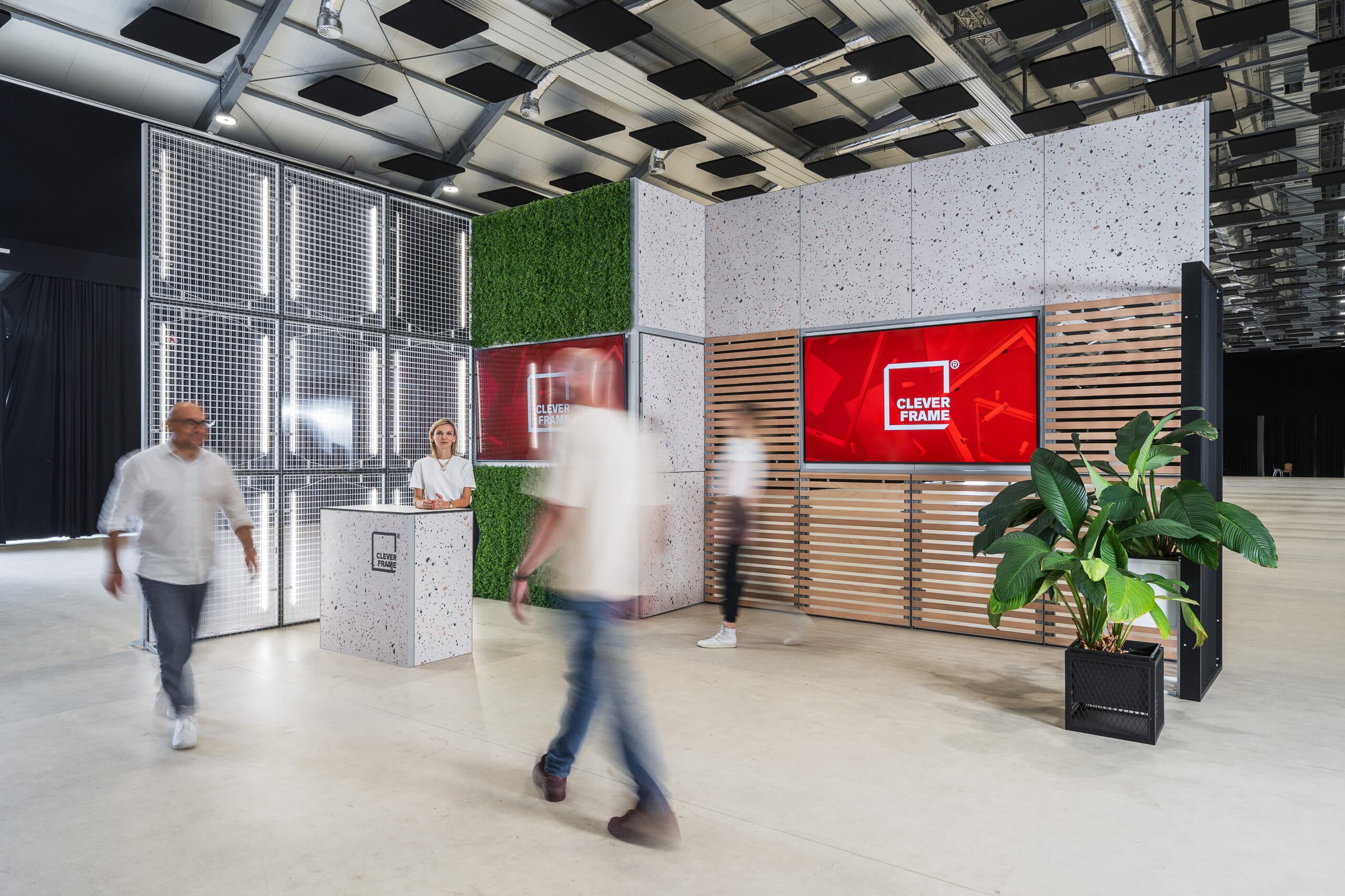
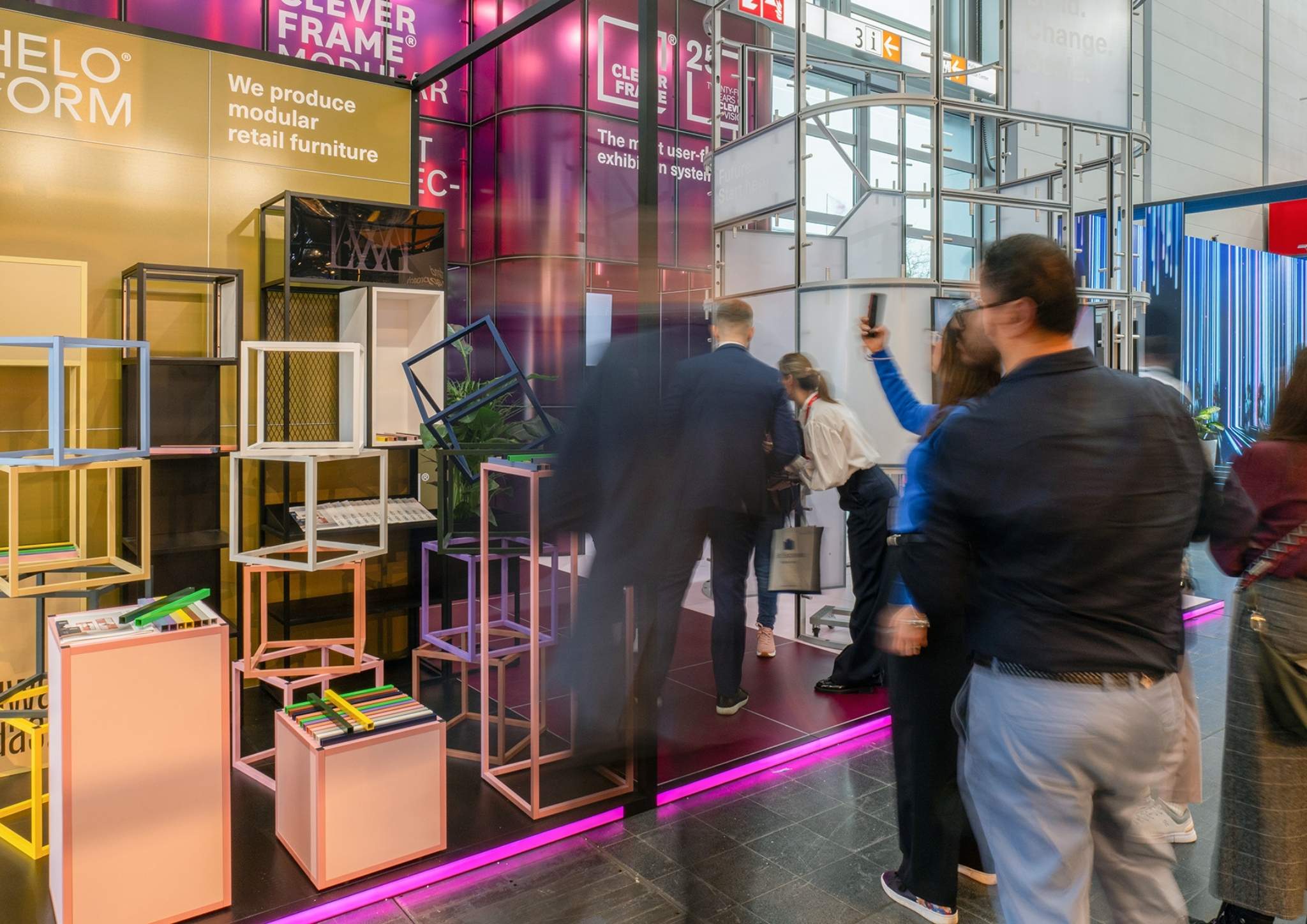
Visual consistency also affects pipeline performance. Brands running multiple events benefit from modular exhibition stands that maintain a consistent identity while allowing fast reconfiguration for different floor plans. For example, Clever Frame exhibition stands can be adapted to varied event footprints while keeping the same design logic, so visitors recognize the brand and staff can repeat proven interaction patterns. Graphic panels support efficient message updates, allowing teams to swap campaign visuals between events, product launches, or seasonal themes without rebuilding the structure.
On-site process is typically organized around a small number of actionable outcomes, such as booking a meeting, agreeing on a demo, or sending a tailored offer. This requires short qualification frameworks, consistent note-taking, and clear rules for when a lead is routed to sales immediately versus nurtured by marketing.
Practical examples
Event sales pipelines look different depending on the buying cycle, the event type, and the experience design. The examples below show how pipeline thinking can be applied without overcomplicating on-site execution.
-
a B2B software brand uses a two-path pipeline: visitors who match the ideal customer profile are guided to a short discovery conversation and a scheduled post-event demo, while other visitors receive content and are tagged for nurture,
-
a manufacturer at an industry trade fair designs the booth journey to move from product handling to specification discussion, then to a semi-private meeting zone where decision-makers can confirm requirements and next steps,
-
a company running a roadshow standardizes the pipeline across cities by using a consistent modular stand layout and rotating graphic panels to reflect local industry segments, while keeping the same qualification questions and follow-up timeline,
-
a showroom team treats visits as mid-funnel opportunities, capturing project scope and timeline on-site and triggering a structured sequence: technical consultation, proposal, stakeholder review, and closing activities.
See also
-
Visitor Flow
-
Brand Experience
-
Modular Exhibition Stand
-
Sustainable Event Design