What is Event Data Integration?
Event Data Integration is the process of collecting, standardizing, and connecting data generated before, during, and after an event – then making it usable across marketing, sales, and analytics tools. In event marketing and trade fairs, it links touchpoints such as registration, badge scanning, meeting notes, product demonstrations, and follow-up communications into one consistent dataset that supports reporting and decision-making.
In practice, Event Data Integration helps brands understand how people move through a physical space, what content and product messages they engage with, and which interactions lead to qualified leads or pipeline impact. It matters on trade show stands, in showrooms, and during roadshows because offline engagement is often high-quality but difficult to measure without a structured approach to data capture and integration.
Main goals of Event Data Integration
The primary goal is to turn fragmented event interactions into actionable insights that support brand experience design, lead handling, and continuous improvement across multiple events and formats.
-
creating a single view of the visitor by connecting registration, attendance, and interaction data across channels,
-
improving lead quality by adding context to contacts (interests, discussed solutions, decision stage),
-
enabling consistent reporting for stakeholders (marketing, sales, partners) with comparable metrics,
-
measuring the effectiveness of booth layout, visitor flow, and content placement through behavioral signals (where feasible and lawful),
-
shortening the time from conversation to follow-up by automating handover to CRM and marketing automation.
Key benefits for trade fairs, events, showrooms, and roadshows
When Event Data Integration is designed around real on-site processes, it improves both operational efficiency and the quality of brand-to-visitor interactions.
-
better visitor experience because staff can tailor conversations using known context (industry, goals, prior interactions),
-
more reliable ROI measurement by linking event engagement to pipeline outcomes and post-event actions (where tracking and attribution models allow),
-
consistent brand communication across touchpoints by aligning what is shown on the stand with what is sent in follow-up,
-
faster learning cycles for teams that iterate stand design and messaging across multiple editions of the same event,
-
cleaner databases through standardized fields, deduplication rules, and controlled consent management.
Challenges and limitations
Event Data Integration can fail if the on-site process is too complex, if data is captured without clear purpose, or if legal and technical requirements are treated as an afterthought.
-
data fragmentation across vendors and tools (registration platforms, badge scanners, CRMs, email systems),
-
inconsistent data entry on-site due to time pressure, variable staff training, and unclear definitions of lead stages,
-
privacy and consent constraints, including GDPR requirements (and, where applicable, ePrivacy rules) for lawful processing and transparent visitor communication,
-
attribution limits, because offline influence may appear weeks later and is often shared with other channels,
-
operational friction when the integration workflow distracts staff from meaningful conversations and product demonstrations.
How Event Data Integration is used at trade fairs and live events
At trade fairs, Event Data Integration typically starts before the event with registration and appointment scheduling, continues on-site with interaction capture, and ends with synchronized follow-up and reporting. The goal is not to collect every possible datapoint, but to connect the few that reliably explain outcomes: who engaged, with what, in which context, and what happened next.
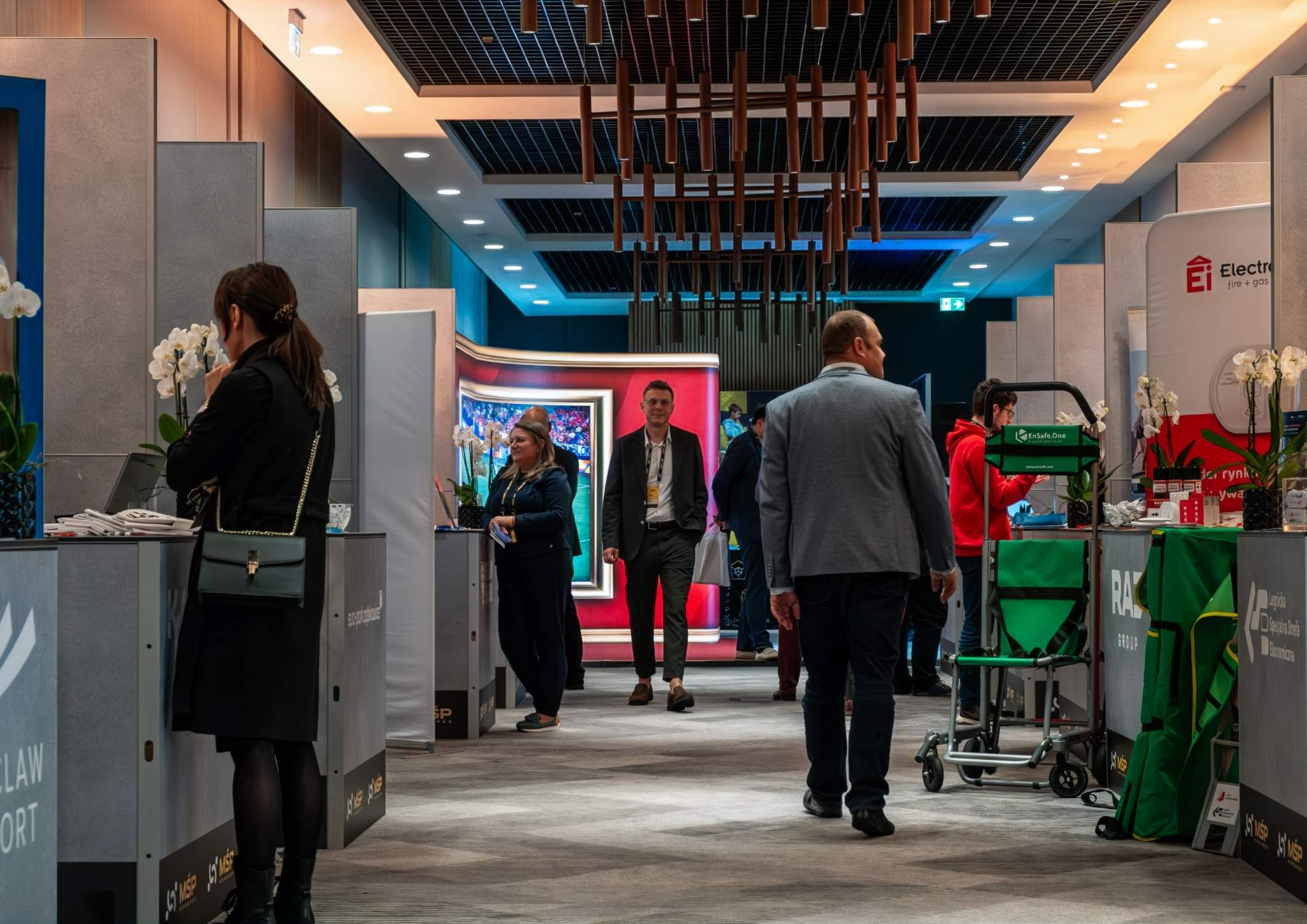
Space and stand design influence what can be captured. A clear visitor flow makes it easier to map interactions to physical zones, such as product presentation areas, meeting tables, or demo points. Consistent visual communication supports this mapping because content categories can be translated into data tags (for example, “product line A” vs “service B”), enabling structured reporting across events.
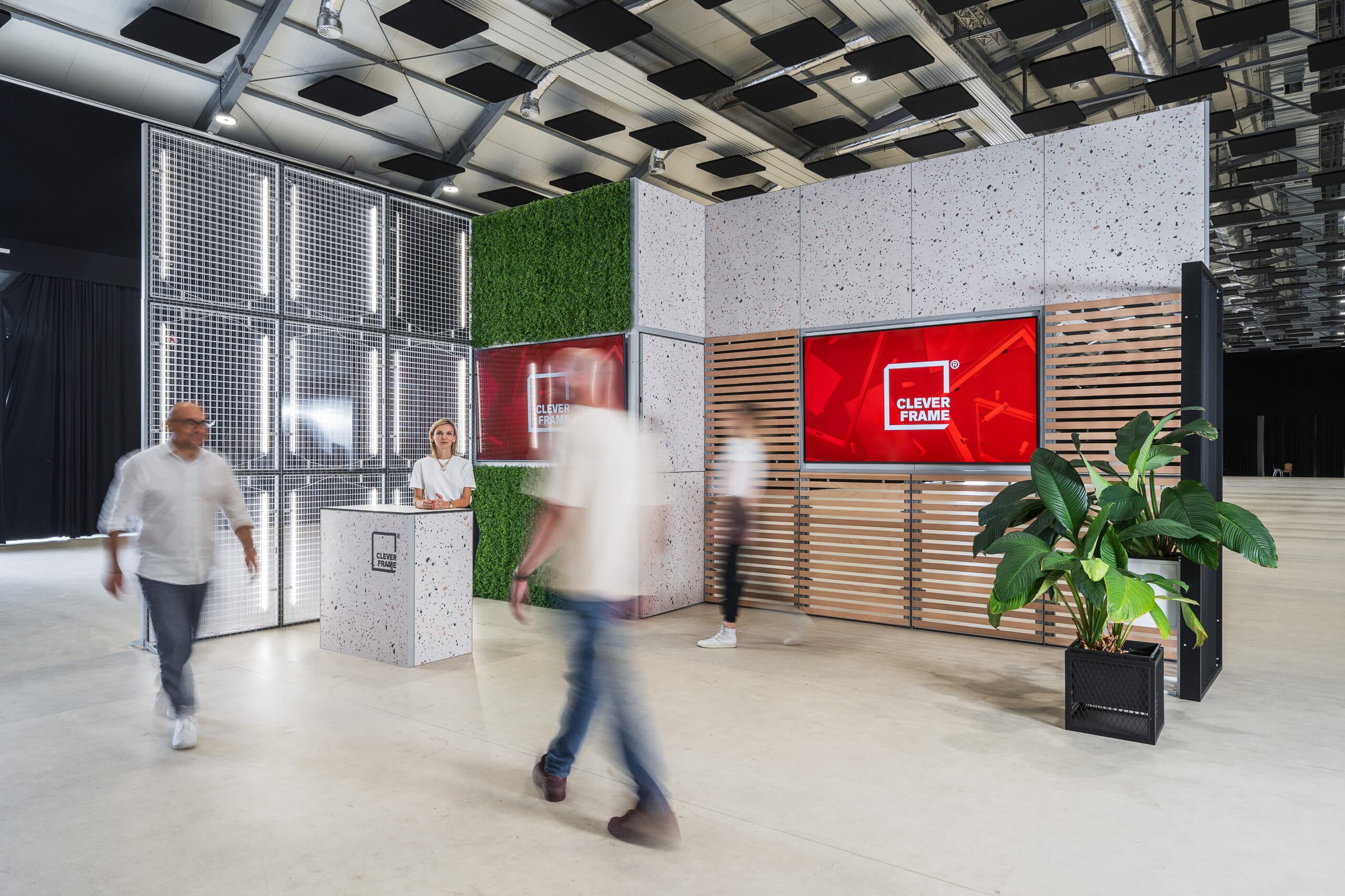
Modular exhibition stands can support the operational side of integration when they are designed for repeatability and clarity. For example, some modular frame-based exhibition systems use reusable frames with dedicated connectors and can allow tool-free assembly and disassembly (depending on the specific system). When the structure remains consistent across multiple events, teams can keep comparable interaction zones and maintain stable measurement definitions, even when graphic panels are updated. Magnetic mounting can be used in some stand systems to make it easier to swap graphic panels to match seasonal campaigns or changing marketing priorities, while keeping the underlying layout and data taxonomy consistent.
Practical examples of Event Data Integration
Implementation depends on the event format, audience, and sales cycle, but the following use cases illustrate how integrated data supports better decisions and better follow-up.
-
connecting booth badge scans with a short interaction form (interest category, urgency, next step) and syncing it to CRM within minutes (where connectivity and system setup allow),
-
tagging leads by the stand zone where the conversation happened to evaluate how layout and visitor flow affect conversion to meetings,
-
linking pre-booked meetings to on-site attendance and post-event email engagement to identify which messages reinforce the live conversation,
-
merging product demo attendance with sales outcomes to decide which demonstrations deserve more space, clearer signage, or revised messaging,
-
creating a multi-event dashboard that compares performance across trade fairs, showroom days, and roadshows using the same field definitions and consent rules.
How to approach Event Data Integration in a measurable, brand-safe way
A strong setup starts with shared definitions and a workflow that fits real booth operations. Teams usually benefit from agreeing on a small set of standardized fields (lead status, key interest, time horizon, owner), defining what counts as a meaningful interaction, and aligning data capture moments with the natural rhythm of the conversation. The stand experience should remain the priority – integration should be invisible to the visitor and lightweight for the team.
Quality control is equally important. Deduplication rules, validation (for example, required email format), and clear consent statements reduce database noise and improve trust. Finally, reporting should connect brand experience and business outcomes: how the physical environment, messaging, and staff interactions contribute to qualified opportunities, not just raw footfall.
See also
-
Visitor Flow
-
Lead Capture
-
Brand Experience
-
Event ROI